SENEGAL
CARRYING THE CONVERSATION: MEDICINE WHERE TIME ISN’T KEPT
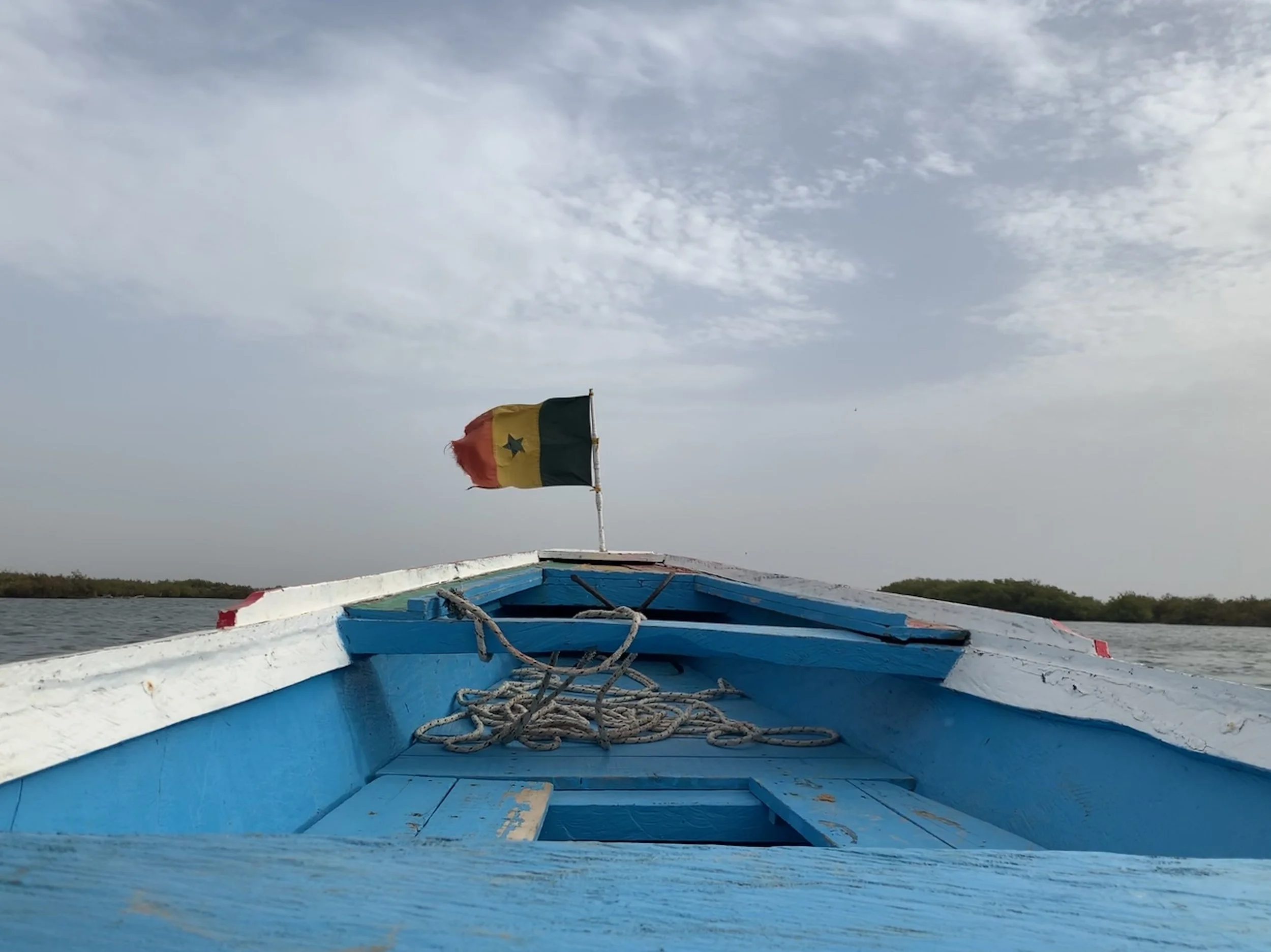
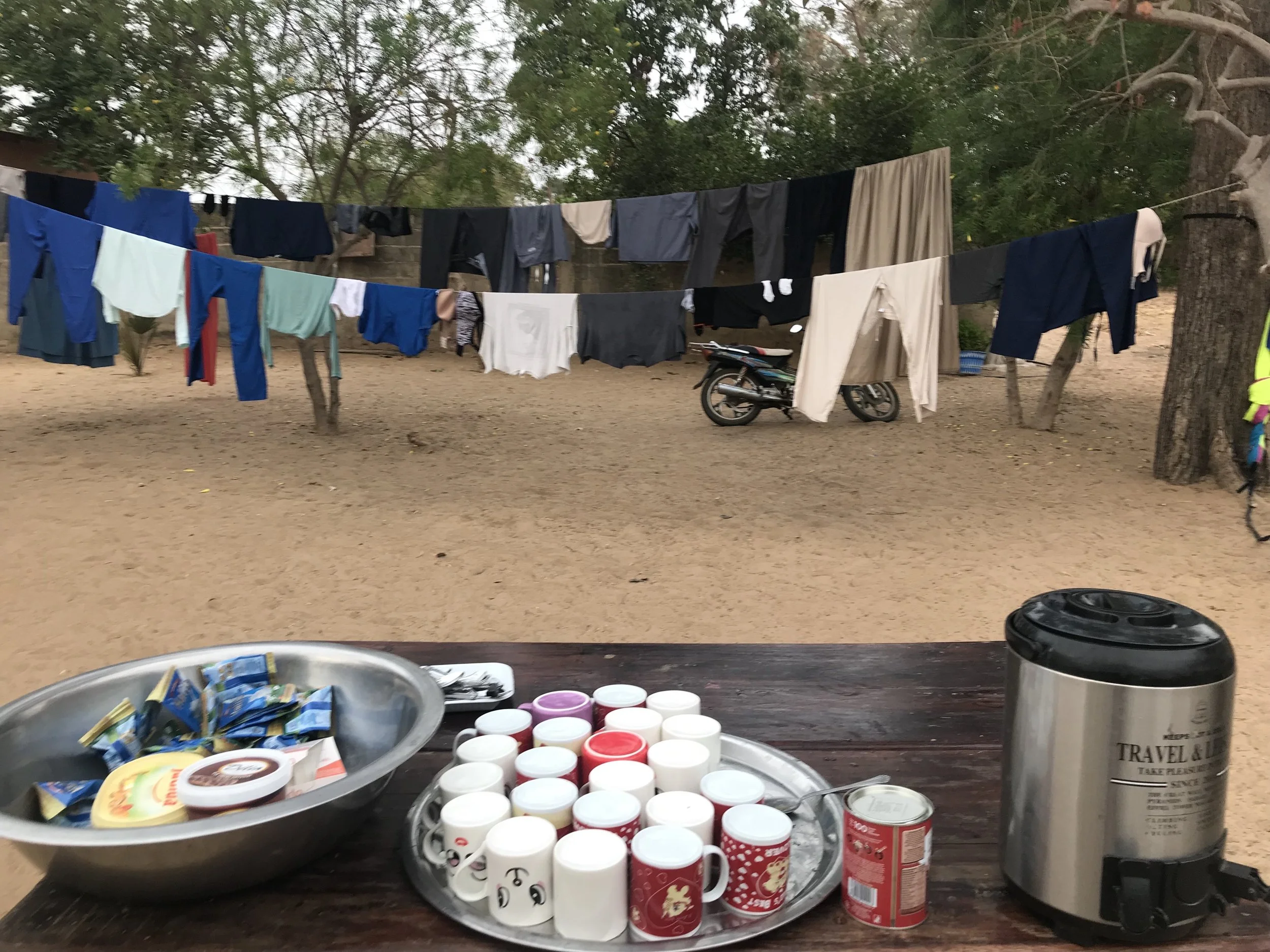
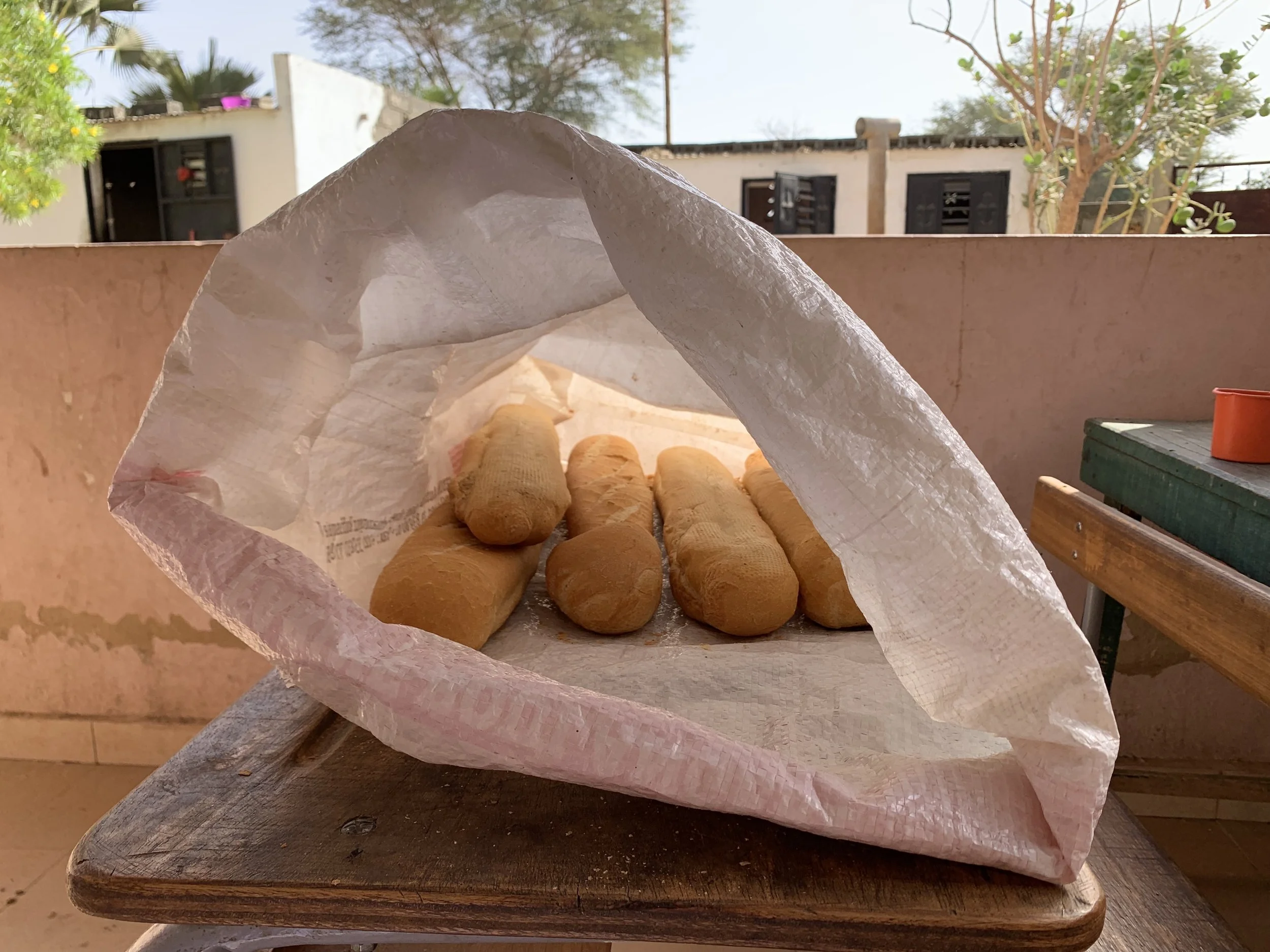
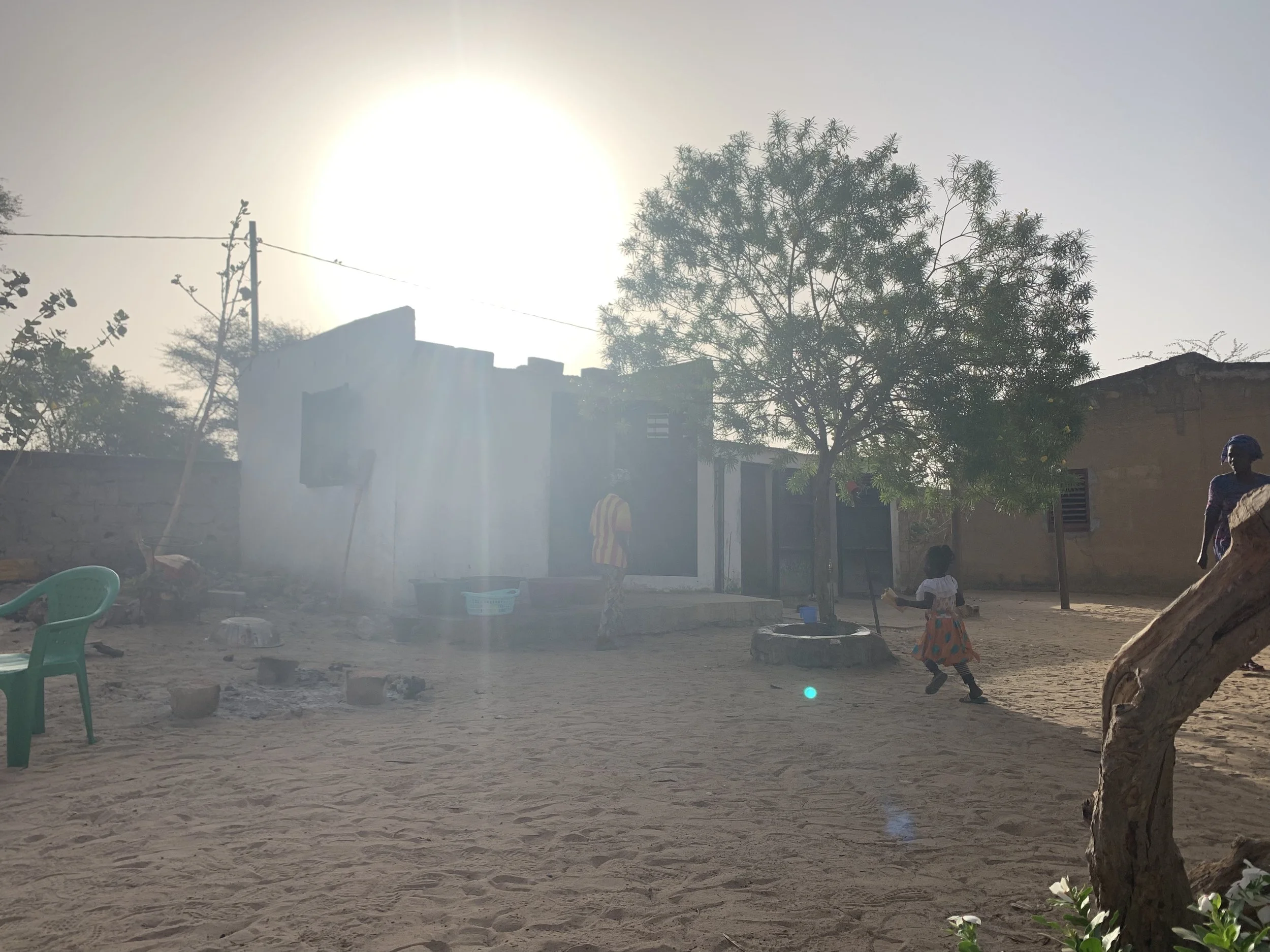
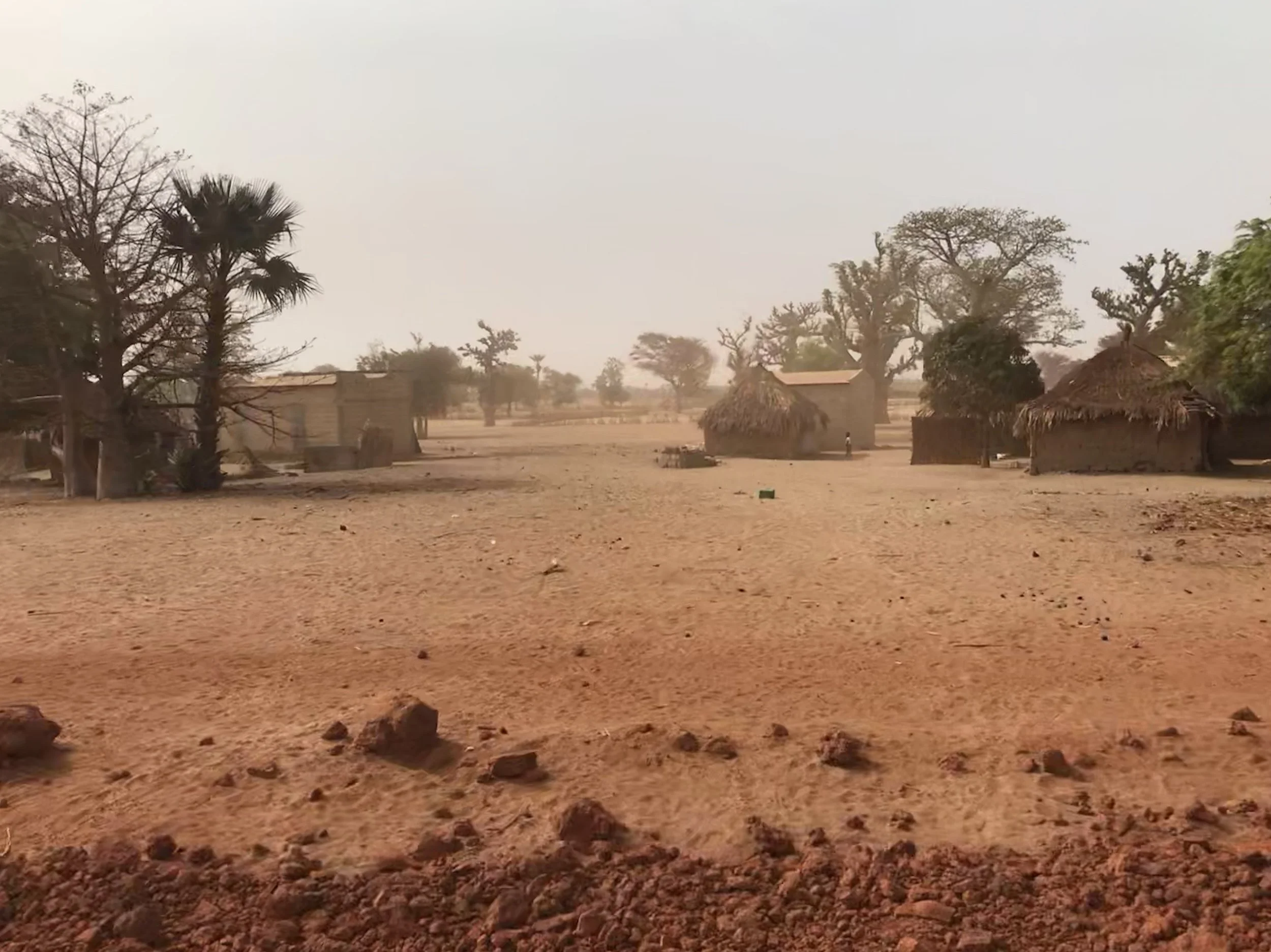
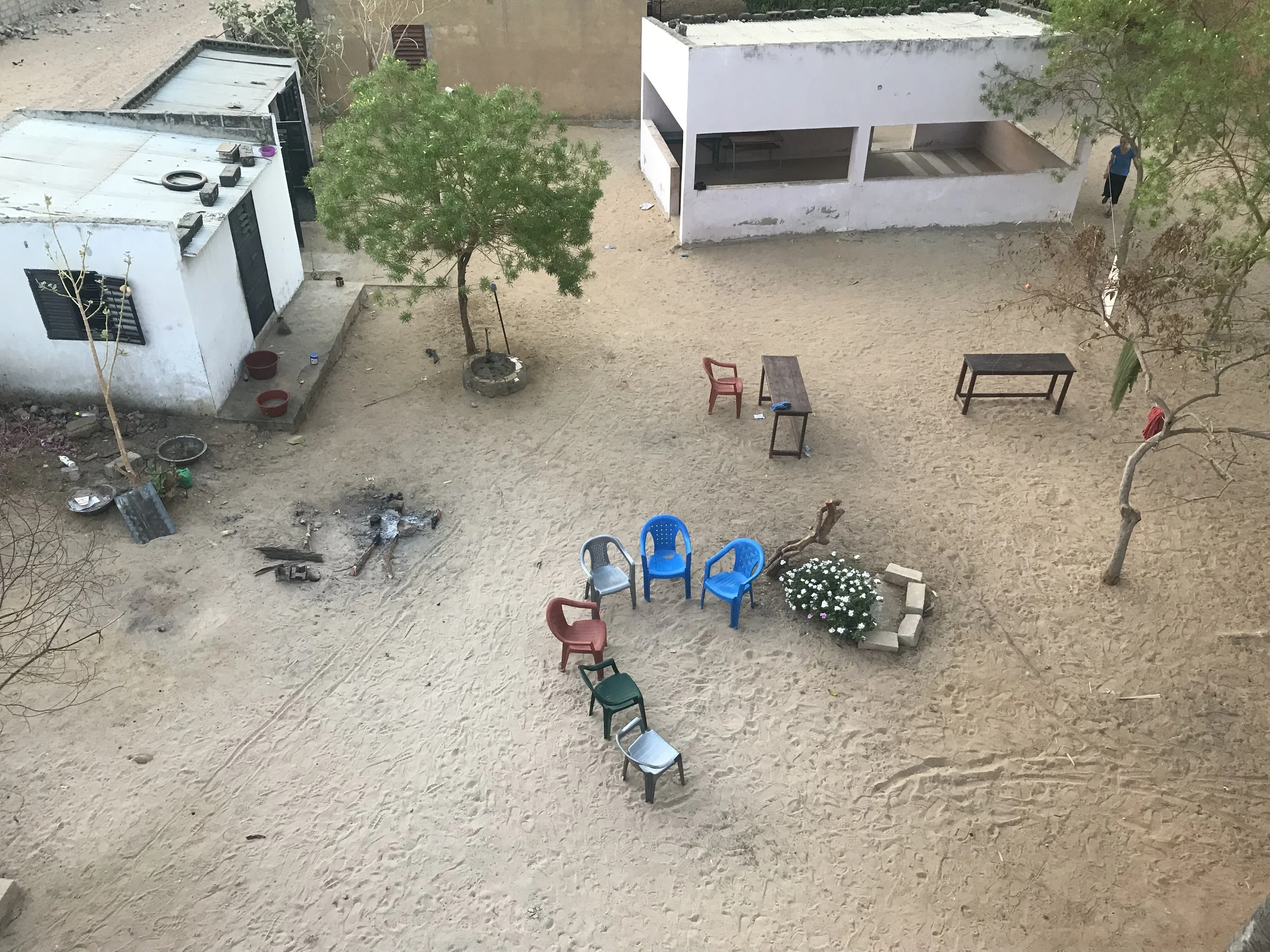
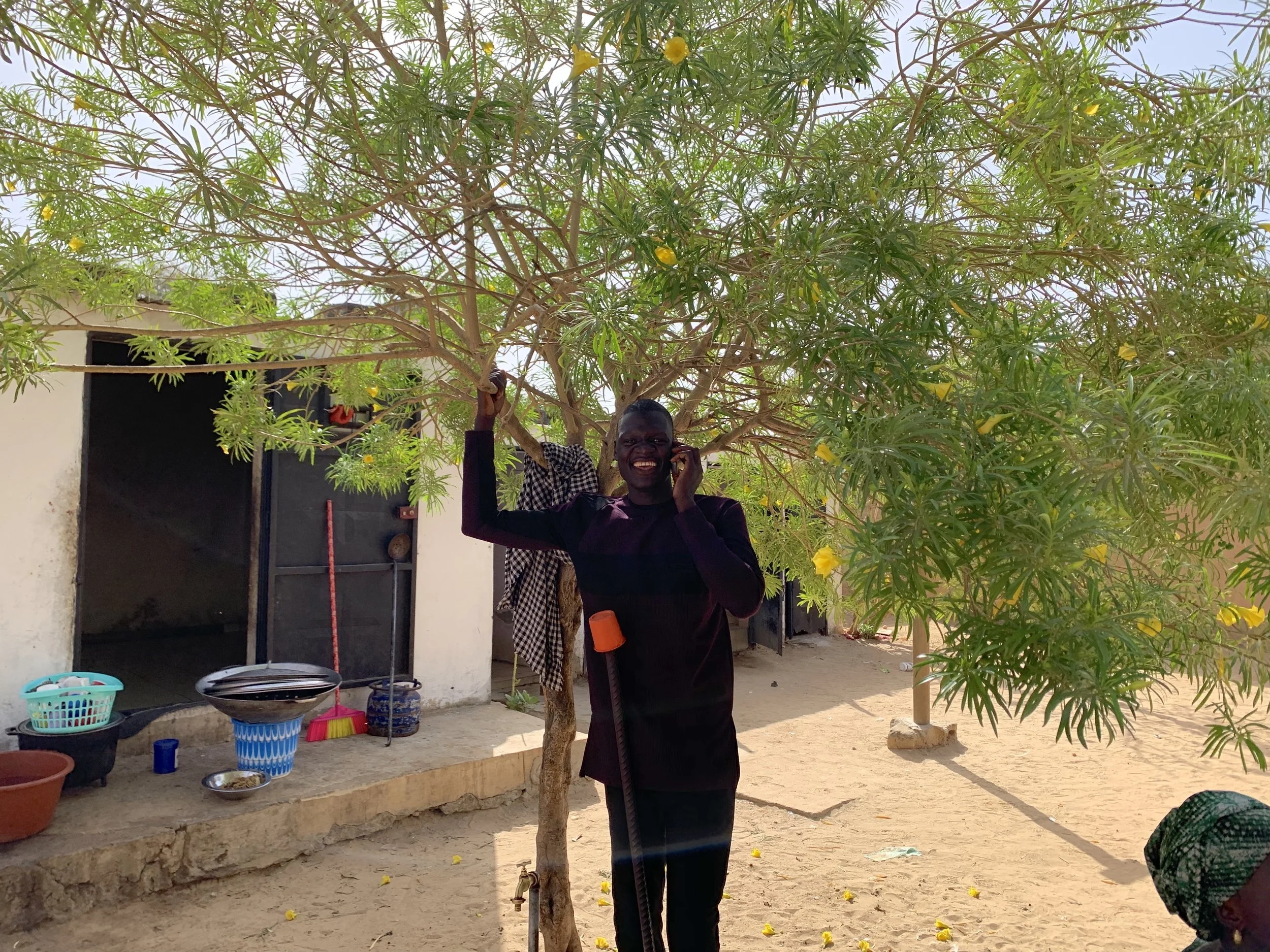
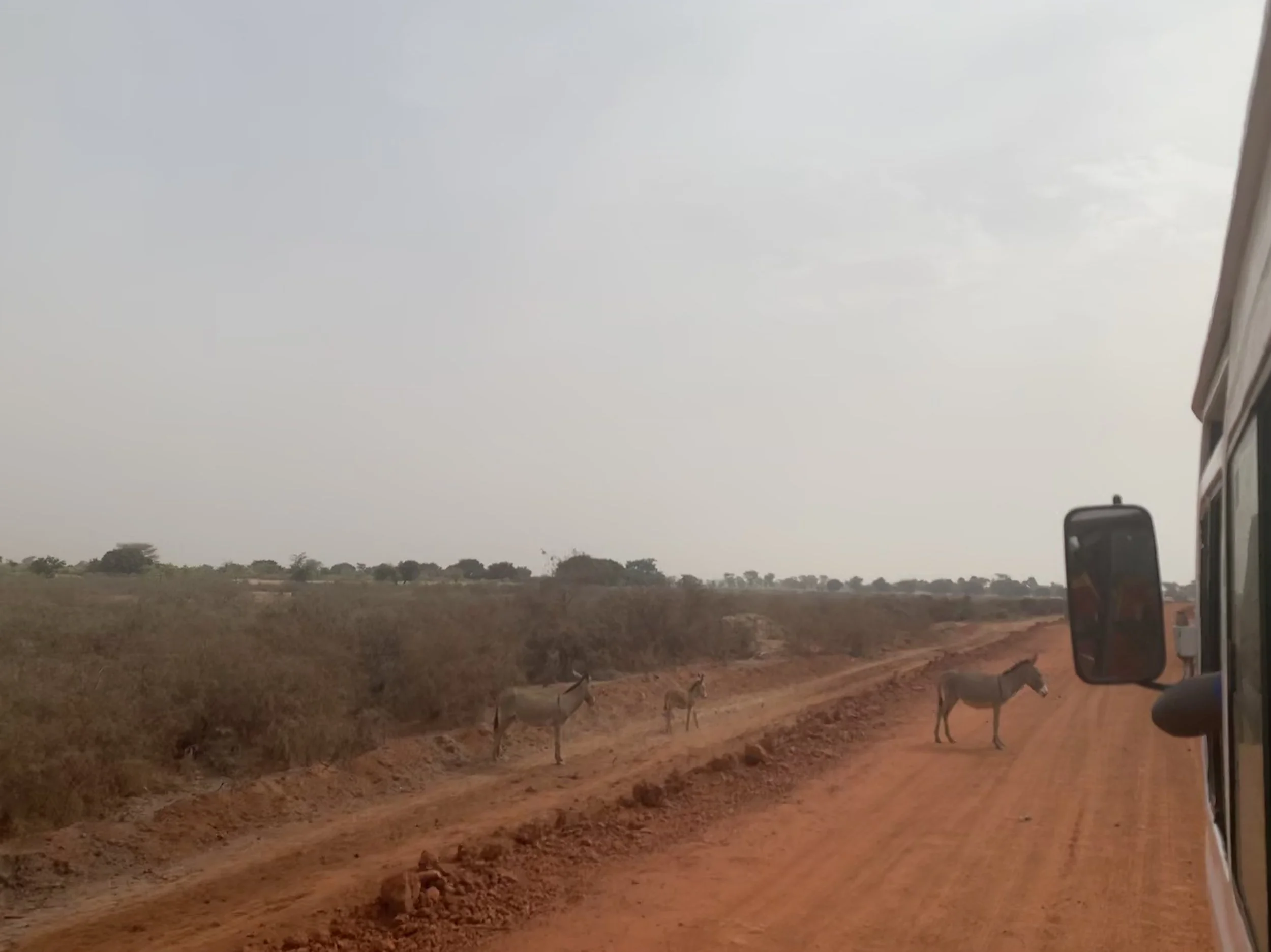
Some places are more inseparable from the rhythm of the earth than others. Somewhere outside the map of Subsaharan Africa where time isn’t kept, the first of five calls to prayer inundates the dawn and grey silent morning merges with water from rooftop bucket baths, spoons chime ceramic stirring Nestle instant coffee, syllables in English, French, Arabic, and Wolof stir into first greetings, first greetings are suspended as the horizon gradually discloses itself to the day by a seeming ancient rivalry between a rooster and particularly decrepit donkey for who can greet the coming day the loudest. Prayer is better than sleep.
The first questions asked of one another on those mornings are not the usual ones we ask at home. What are we doing today, what did you do last night, what’s for breakfast, where is that damned rooster? They are not questions about the waking day at all, but about the sleeping one before.
Did you dream? What did you dream of? How did you sleep?
The first questions of the new day in a place seemingly unconnected from the world reveal just how connected it is within itself. A different orientation to inner life seems already present in ordinary fabric of conversation. Something older and less hurried. Less suspicious that meaning might arrive from somewhere beyond our conscious and deliberate plans for the day to come.
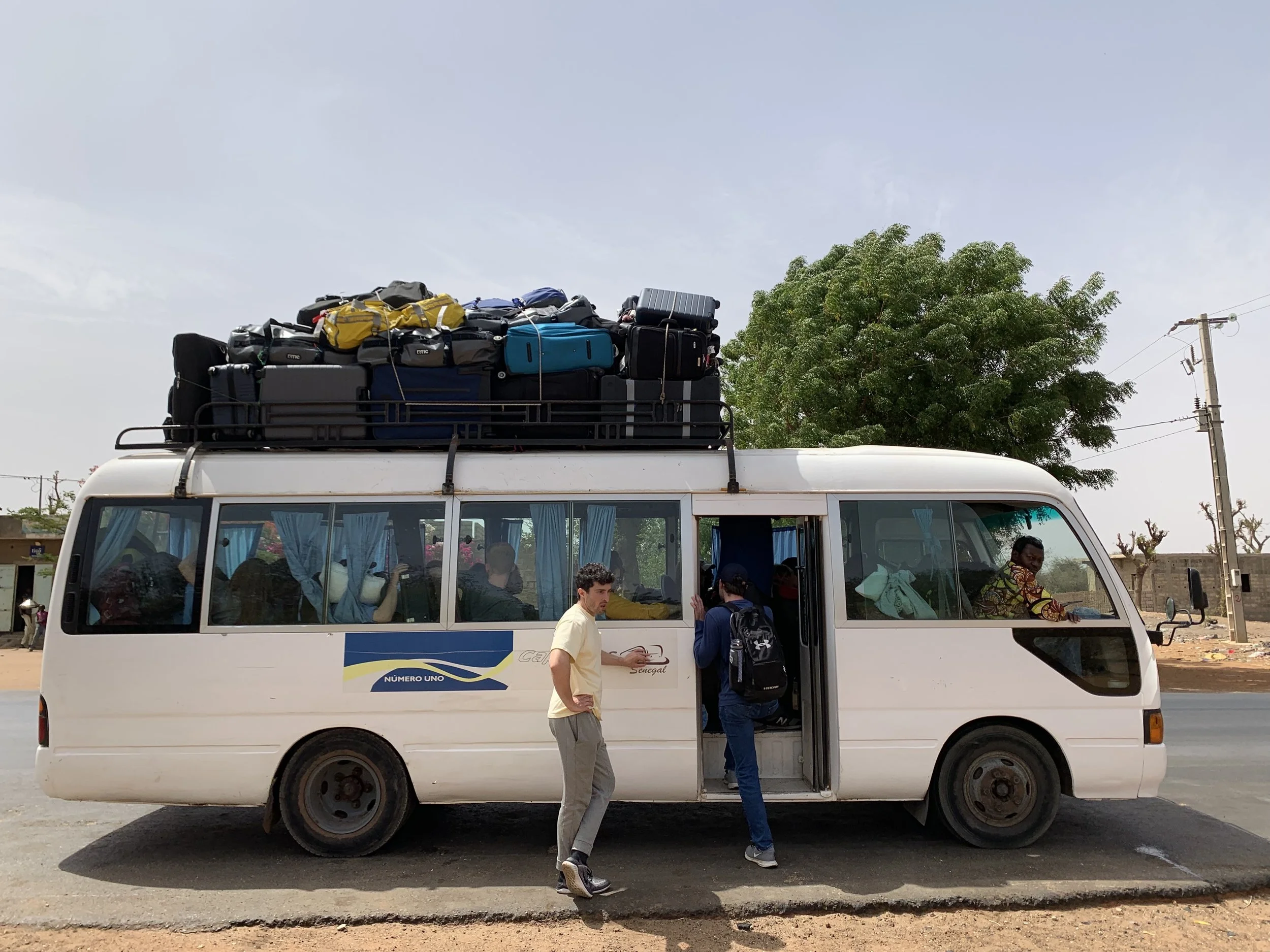
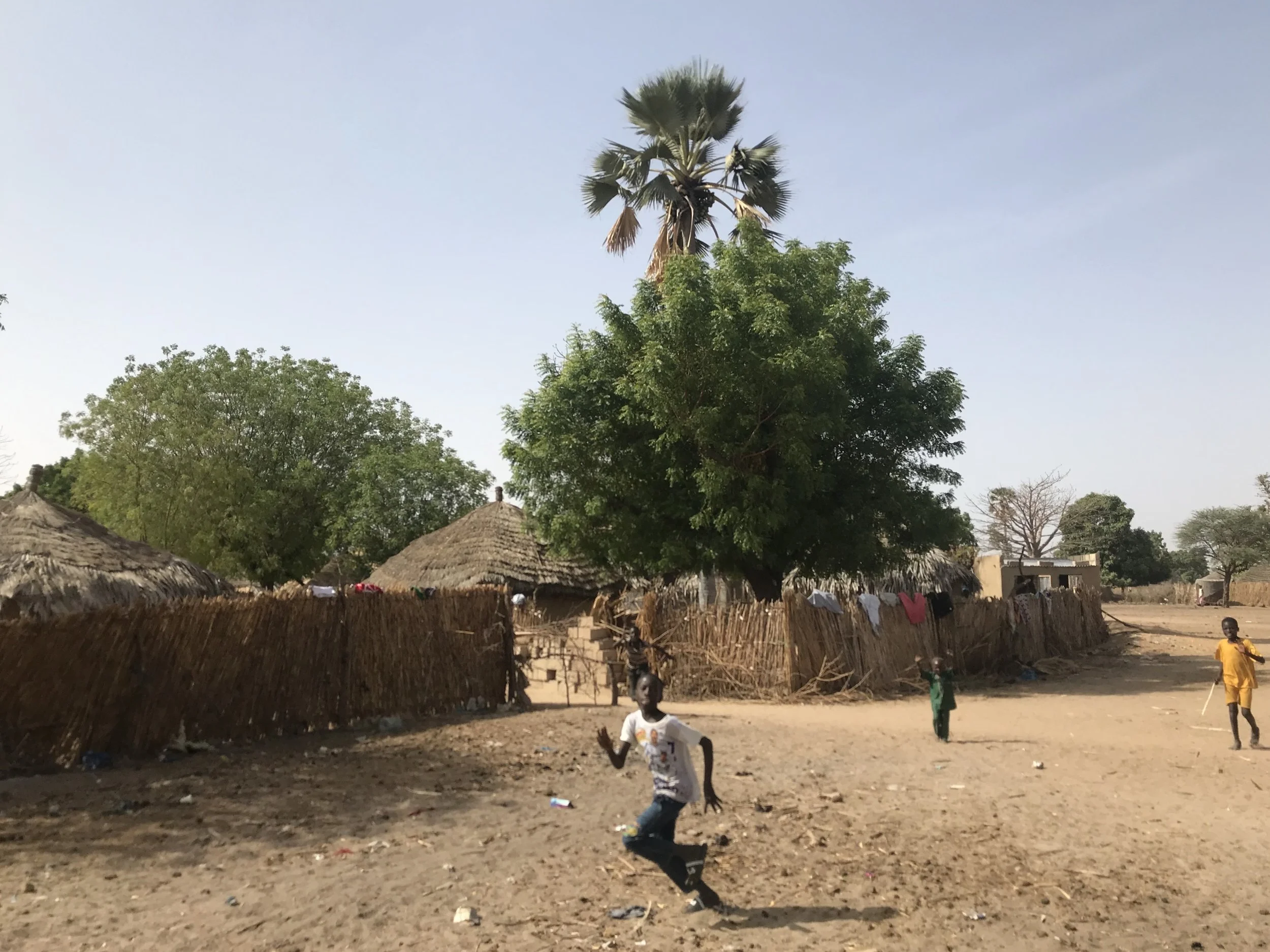
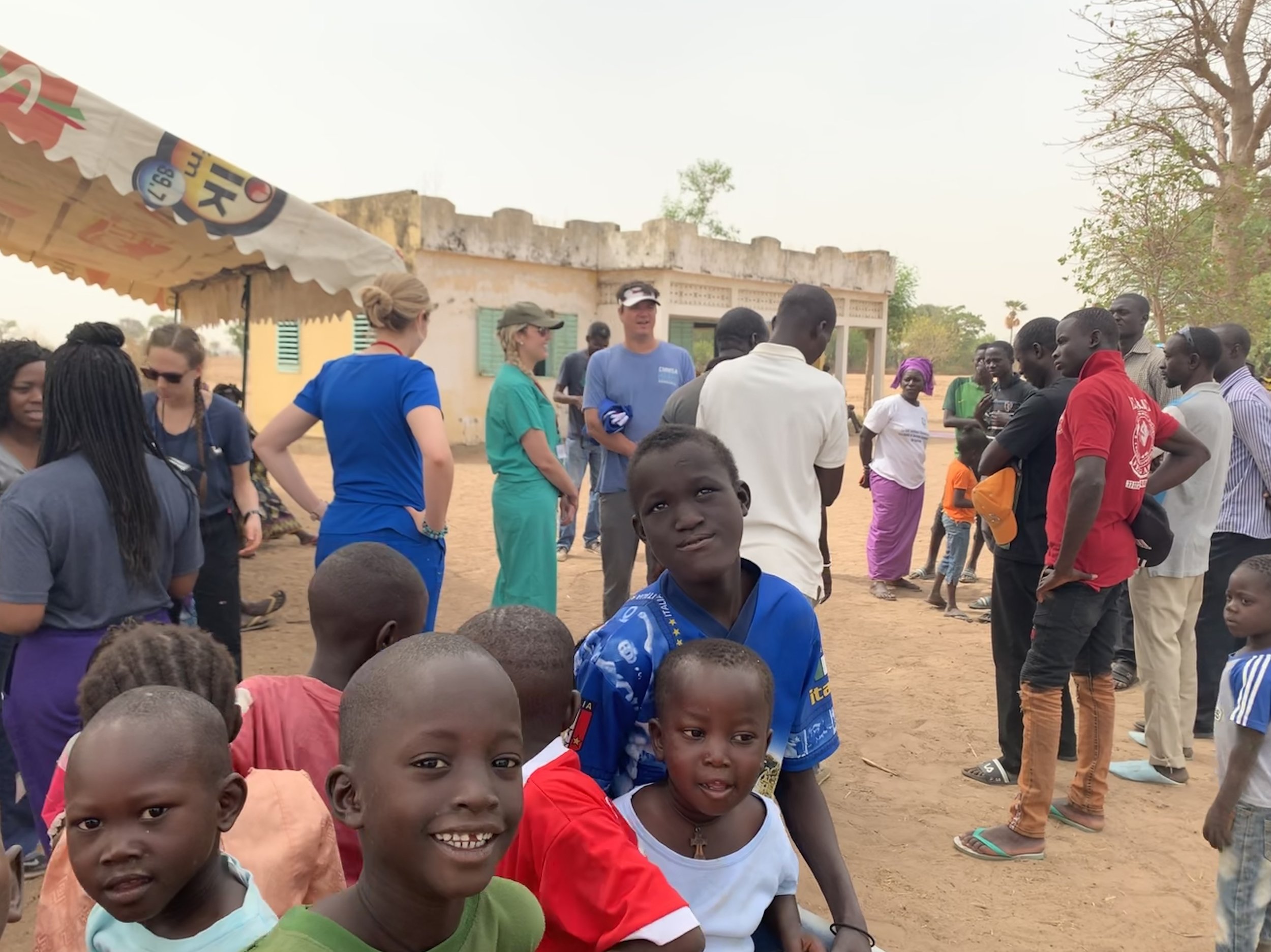
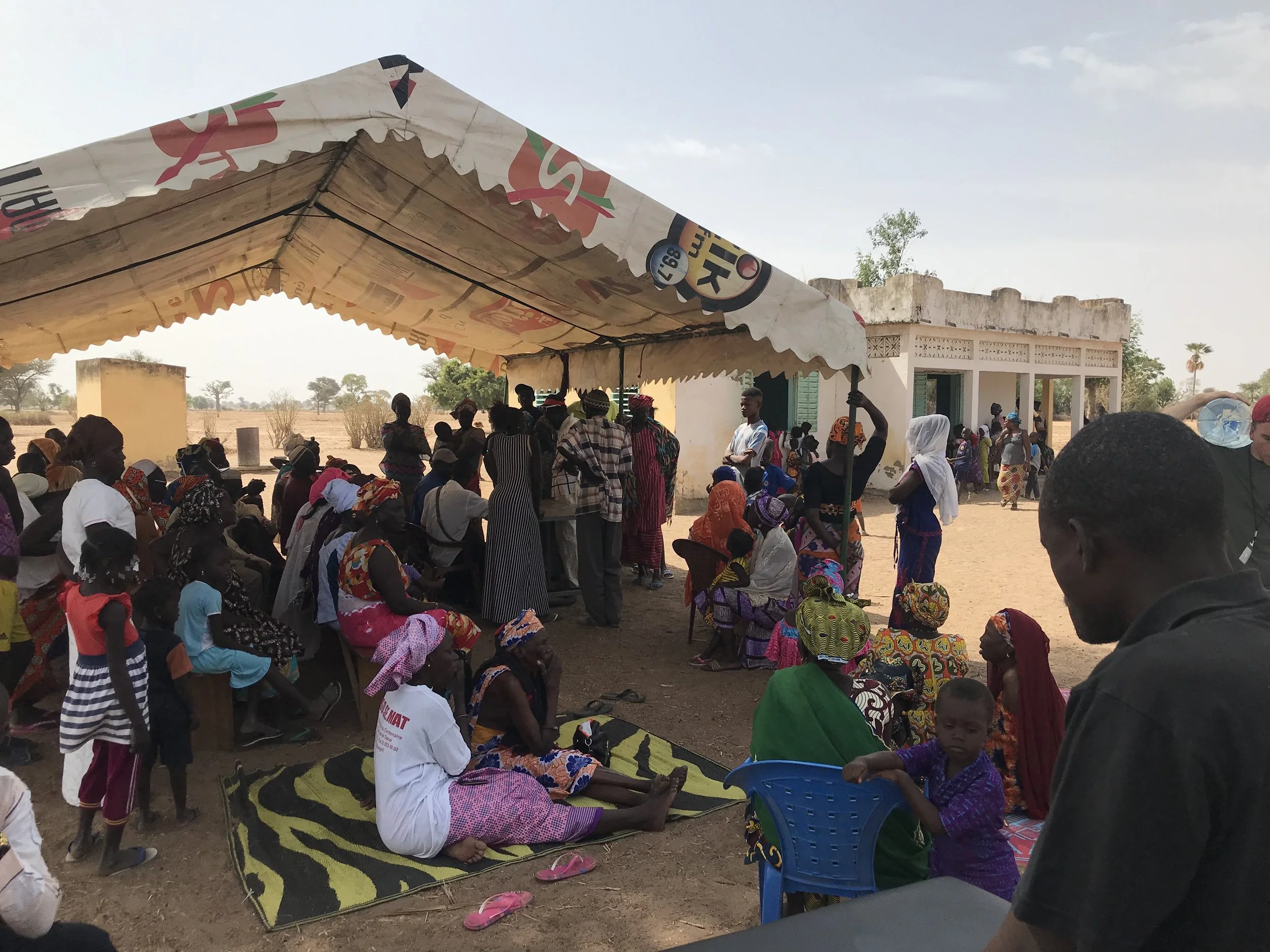
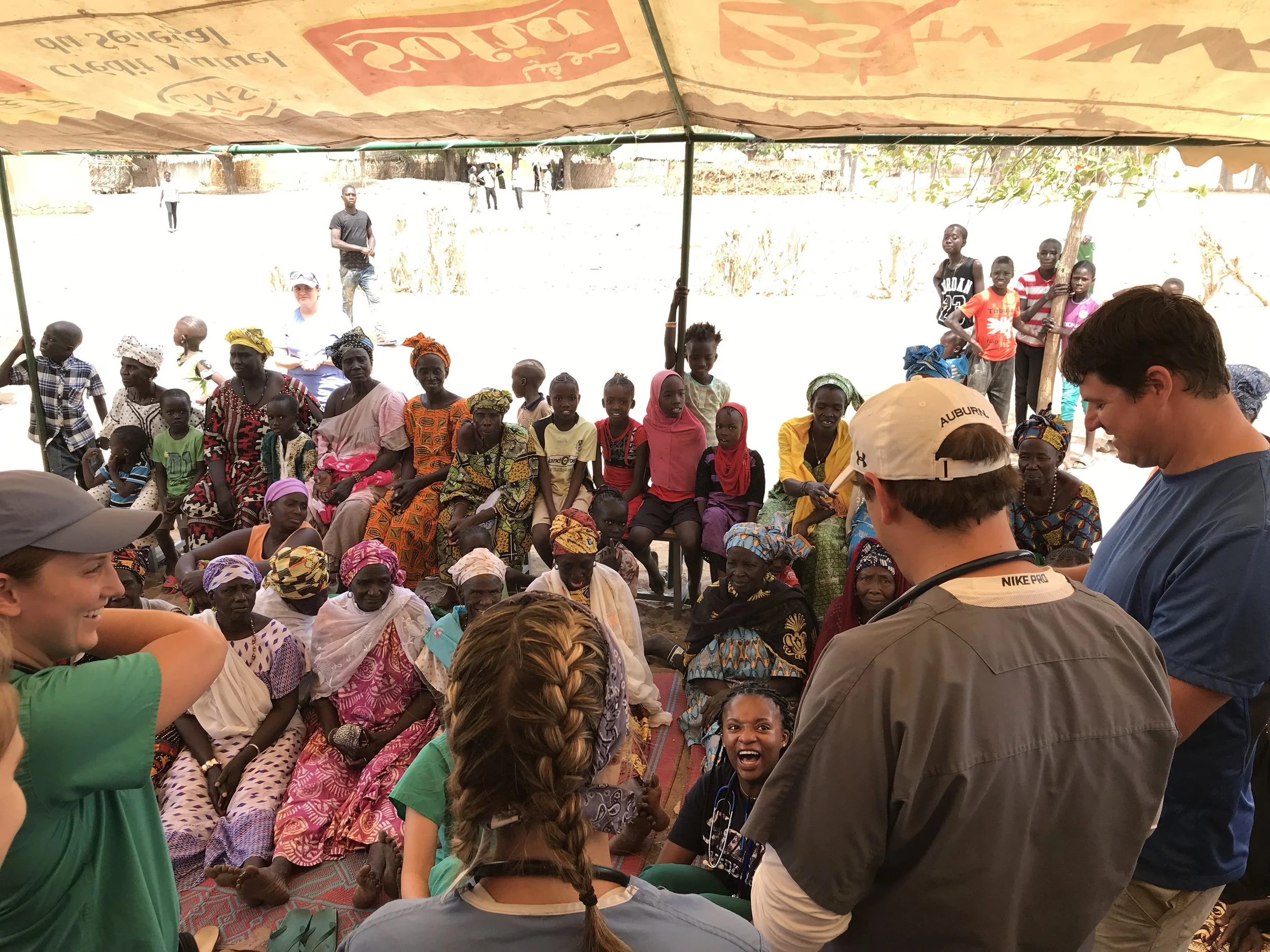
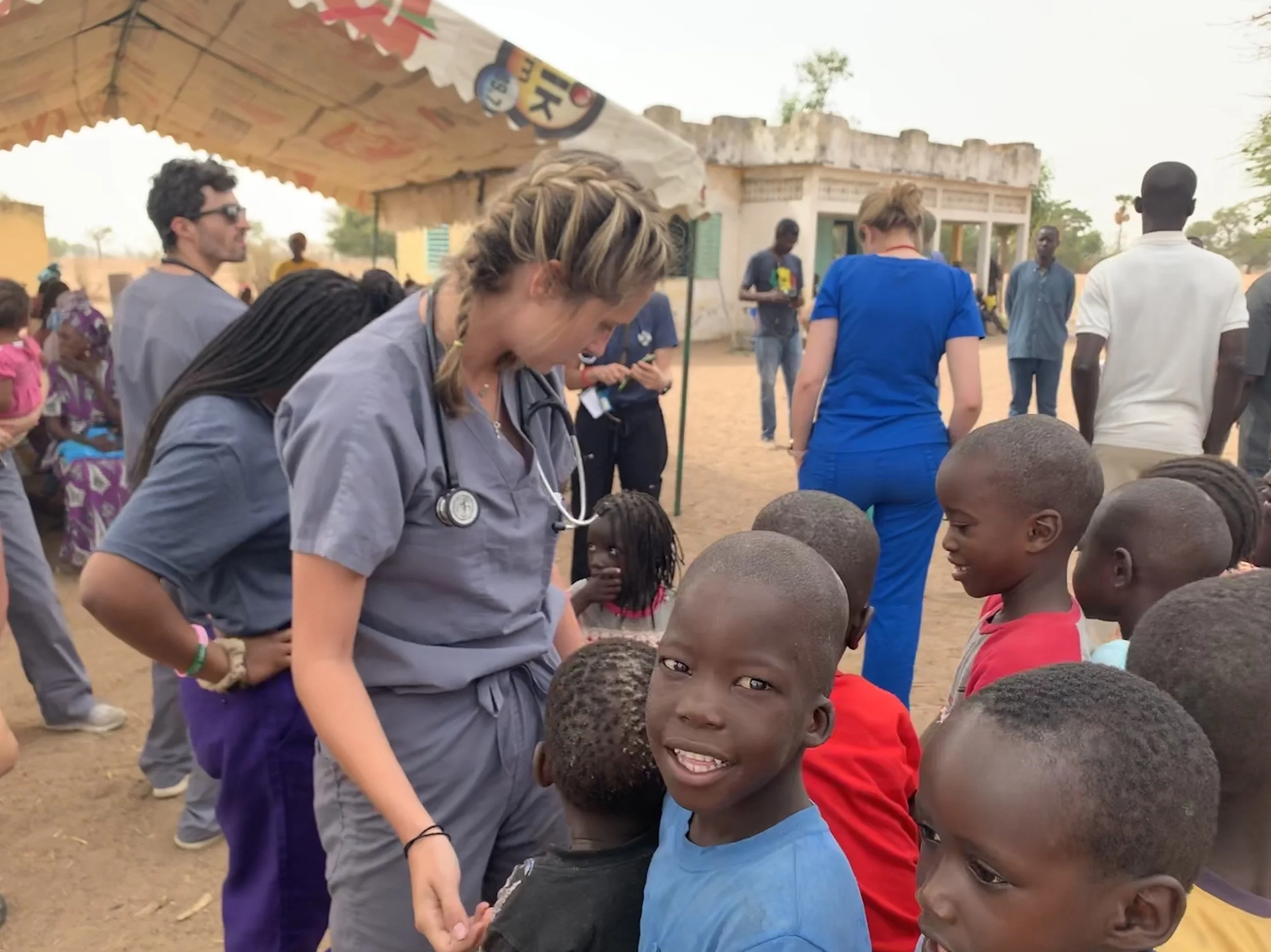
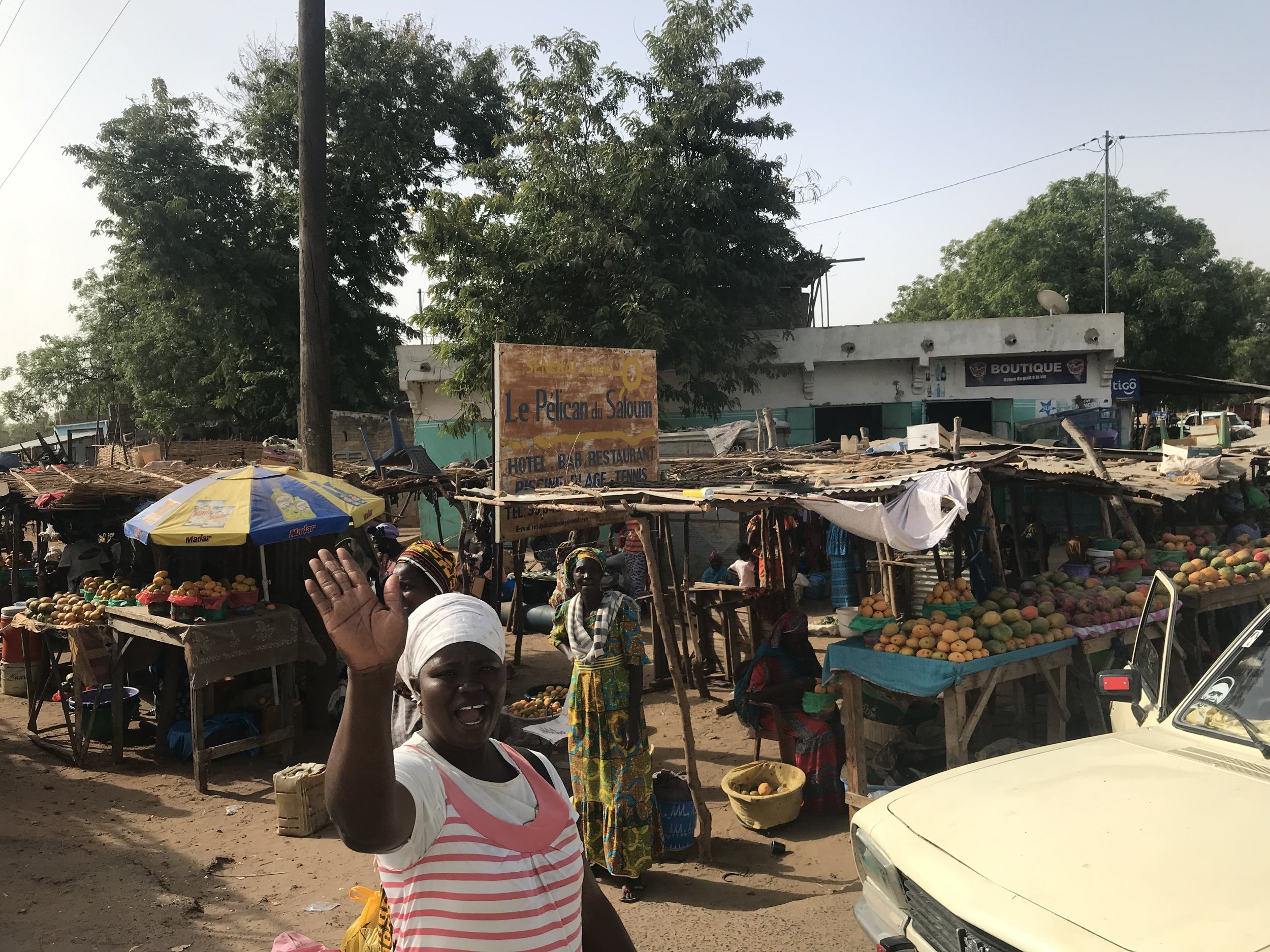
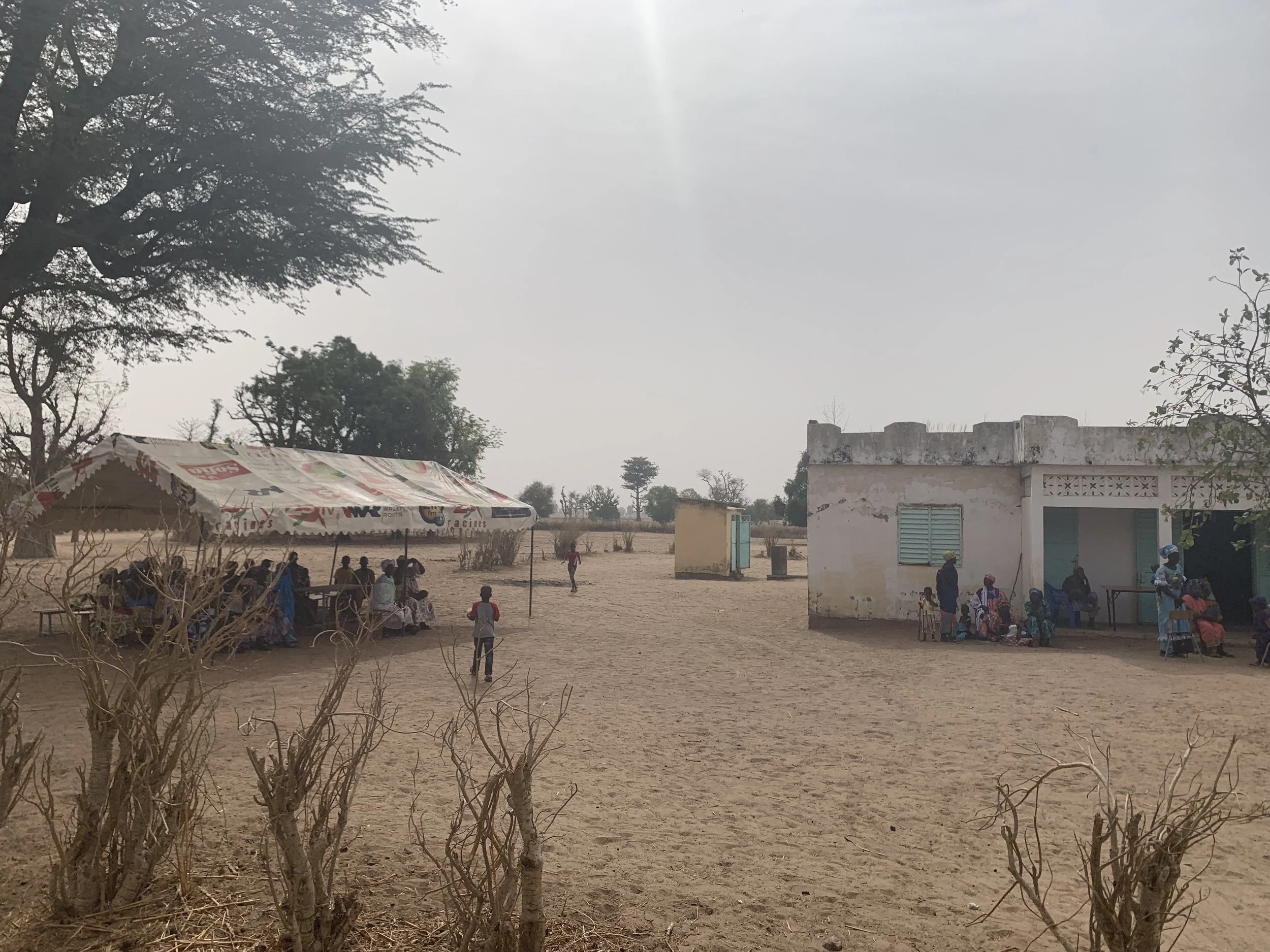
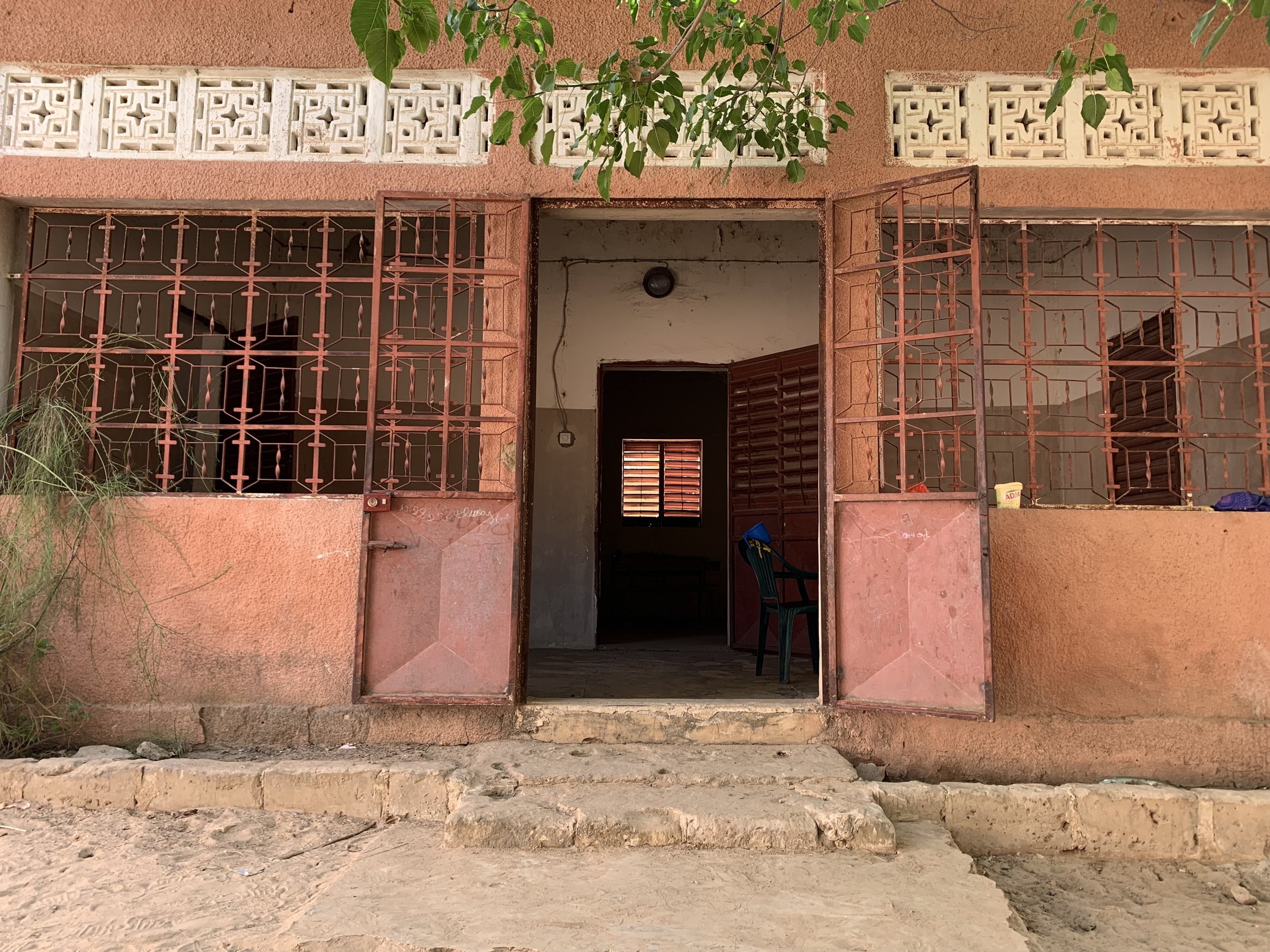
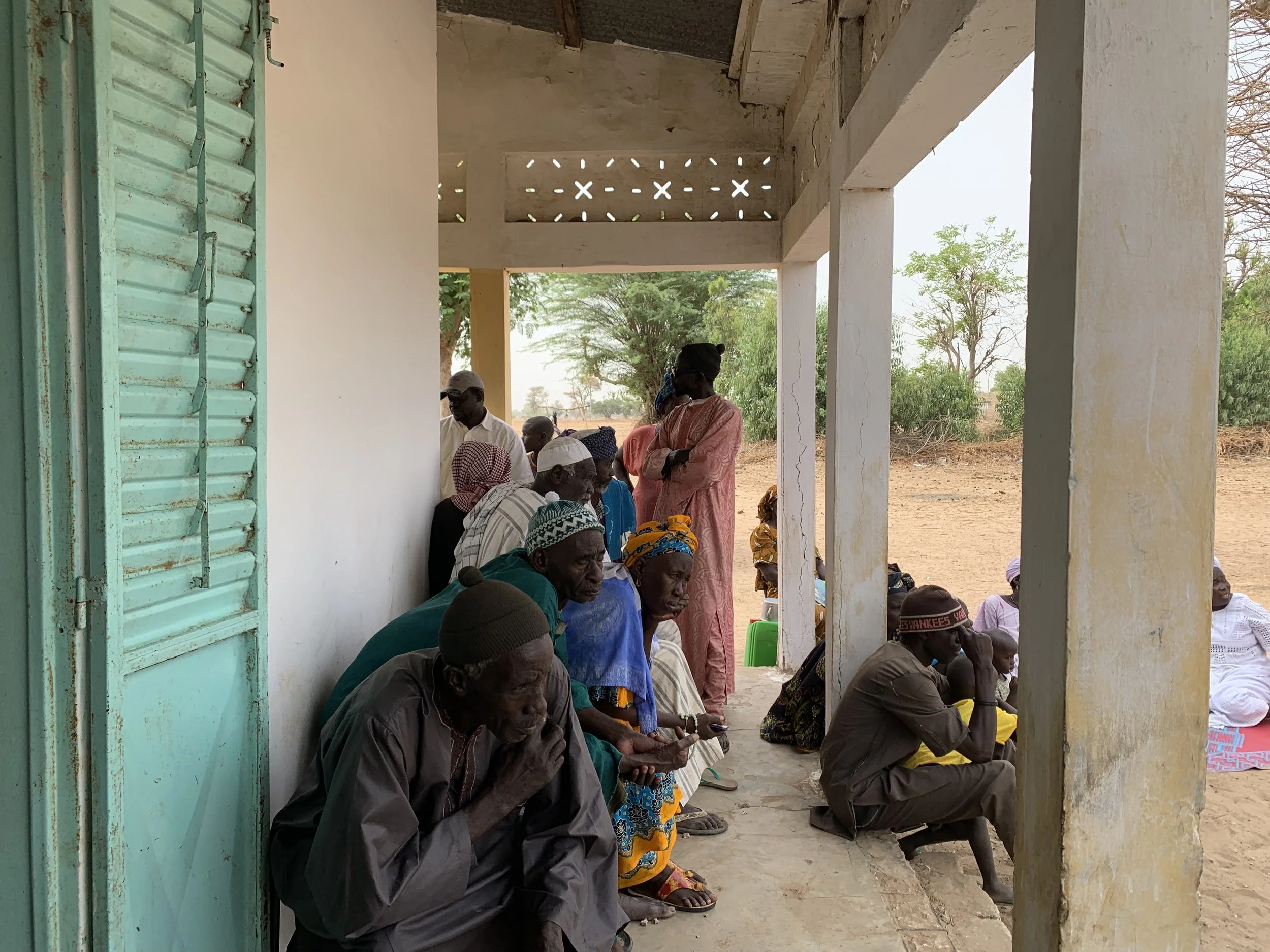
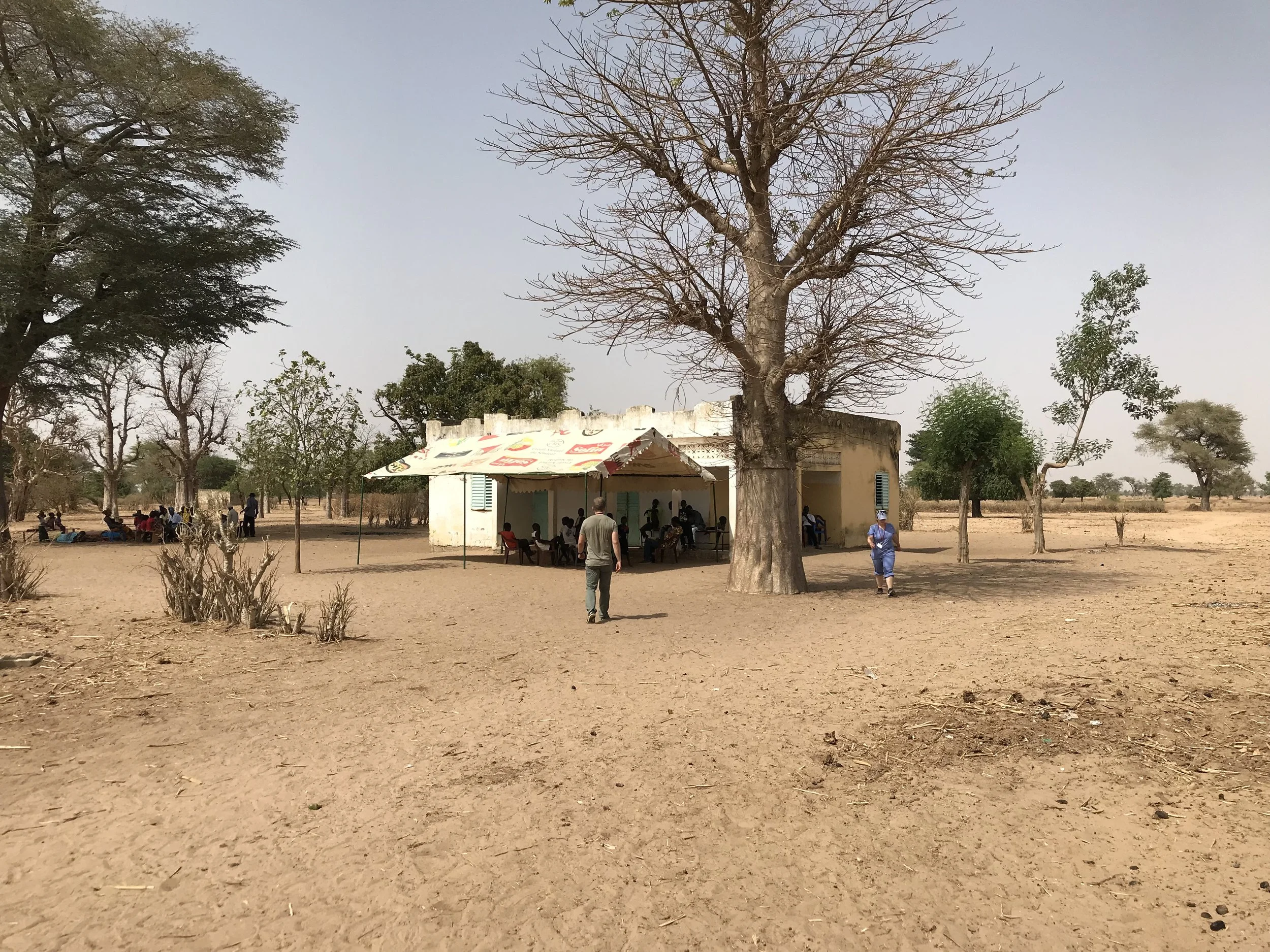
By sunrise villages are already awake. Children chase soccer balls through clinic grounds and market roads and open shade and dry cool dirt before the afternoon Sun arrives; their movement belongs almost to the village itself rather than any single household. Locals coalesce under clinic tents to ask those first questions of each other before supplies are unpacked from visiting buses. Some are sick, some are nosey. Some are there for gathering, some want their blood pressure checked and brief reassurance that they’re in good health, see you next Summer. Others arrive in conditions long unattended to and immediately visible: cataracts, old unset fractures, lipomas and tumors requiring surgical referrals to Dakar, critical range blood pressures and blood sugars silent in otherwise lean and resilient bodies.
Despite distance and unfamiliarity and unprecedented medical conditions for visiting outsiders, the Medicine here is often simple.
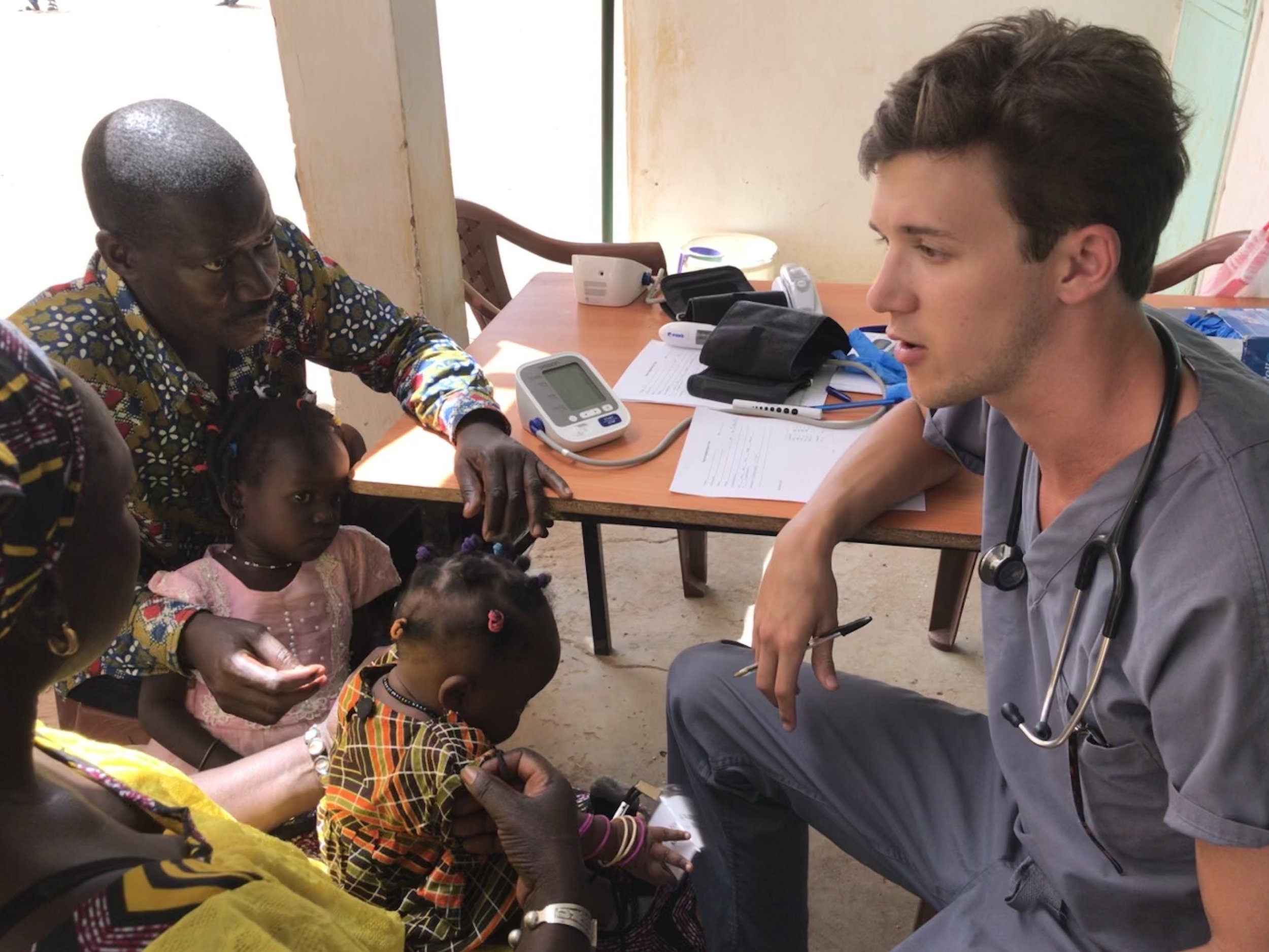
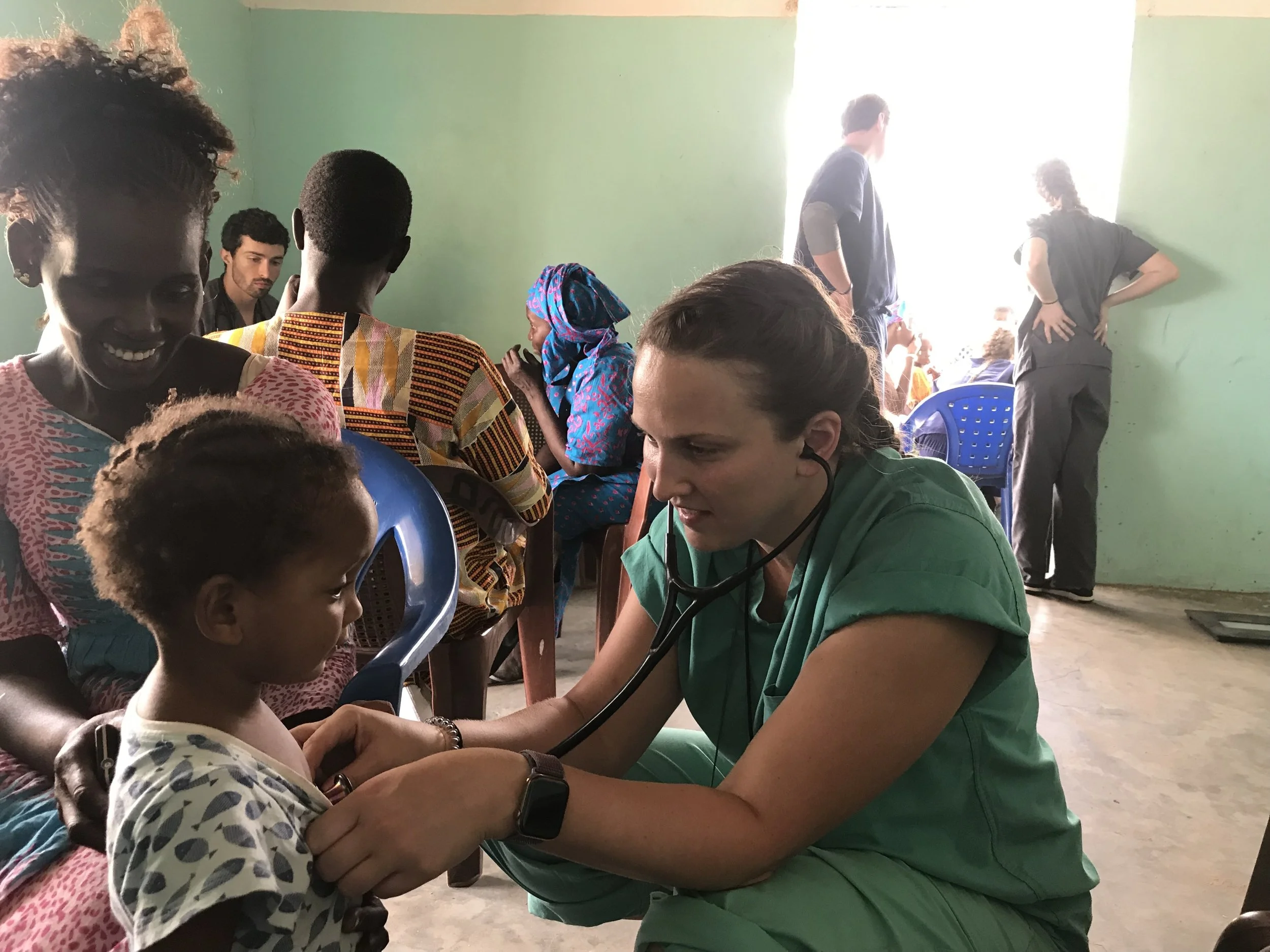
Listen, examine, attend, teach, refer.
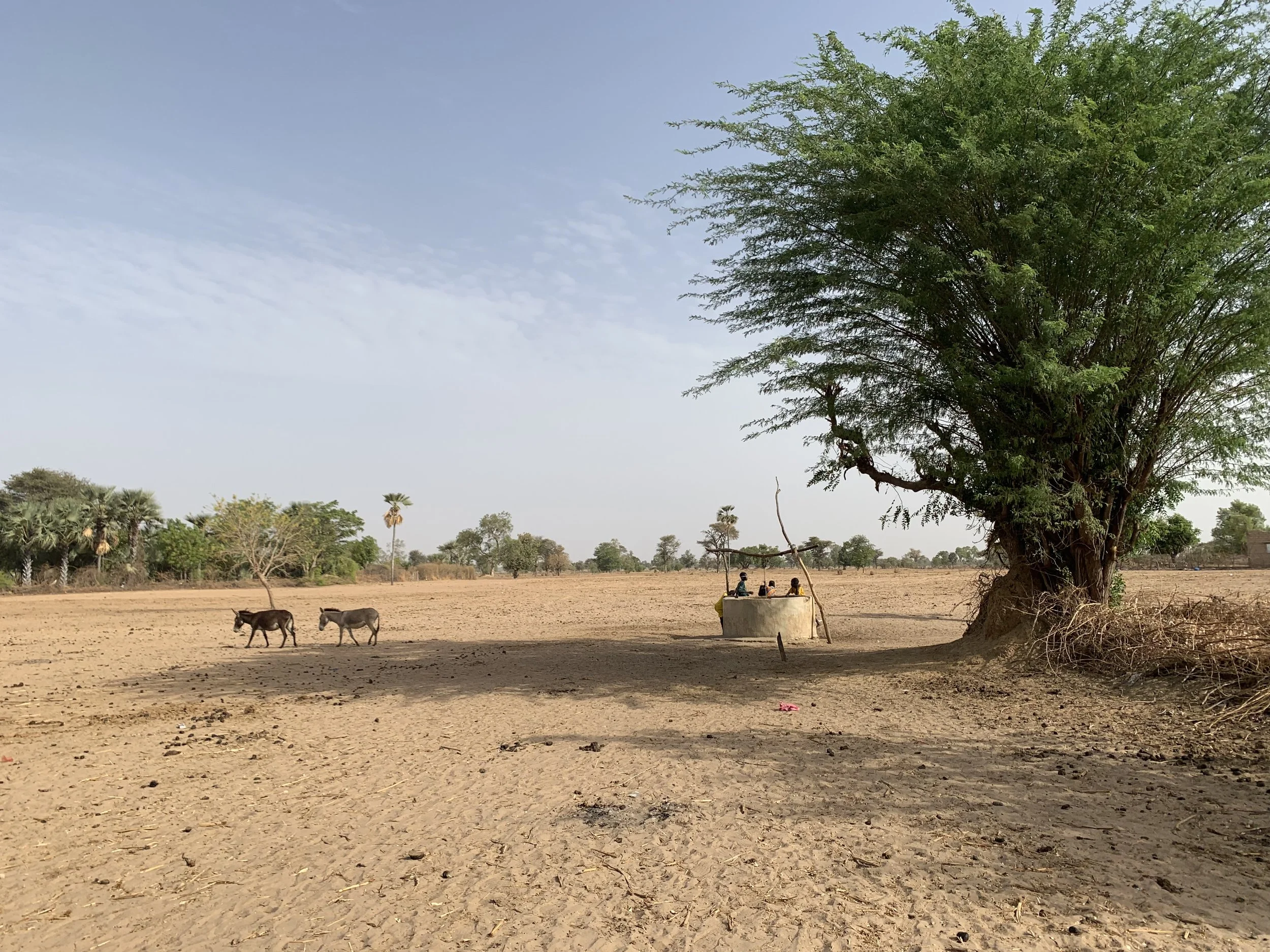
In a striking example, one mother came to us with a growing mass on her neck and upper back. In these villages, women make several trips a day to wells to bring water back to their families. They do this by balancing large buckets and jugs on their heads with no hands and only the muscles of their necks and spines and practiced posture they’ve learned since they were young girls. In her case, the mass on her neck had grown large enough she could no longer support the well water to bring home. While likely benign and surgically treatable, and all she probably needed was a round-trip bus ticket to the free surgeon in Dakar, she and her family had no means of coming up with the equivalent of two American dollars to treat the growing tumor. Distance between someone and life-sustaining surgery may be only a bus ride and the price of a glass-bottle Coke and still remain impossibly far away.
Distance is one challenge, time is another. The work is subservient to circadian cues more than administrative constraints: Wake. Wash. Gather. Travel. See patients. Return. Commune. There are no computers in clinic. No billing codes. No screens quietly redirecting attention elsewhere while patients wait across a sterile room. Only abbreviated handwritten logs beneath communal shade and long conversations carried slowly through translators between worlds trying to understand one another. Here one of the most sustaining acts is not just to treat, but to continue care through local doctors, nurses, and community leaders, who will remain when we inevitably leave. The work here is never fully ours. We enter an ongoing conversation already long underway before arrival and will continue well after our departure.
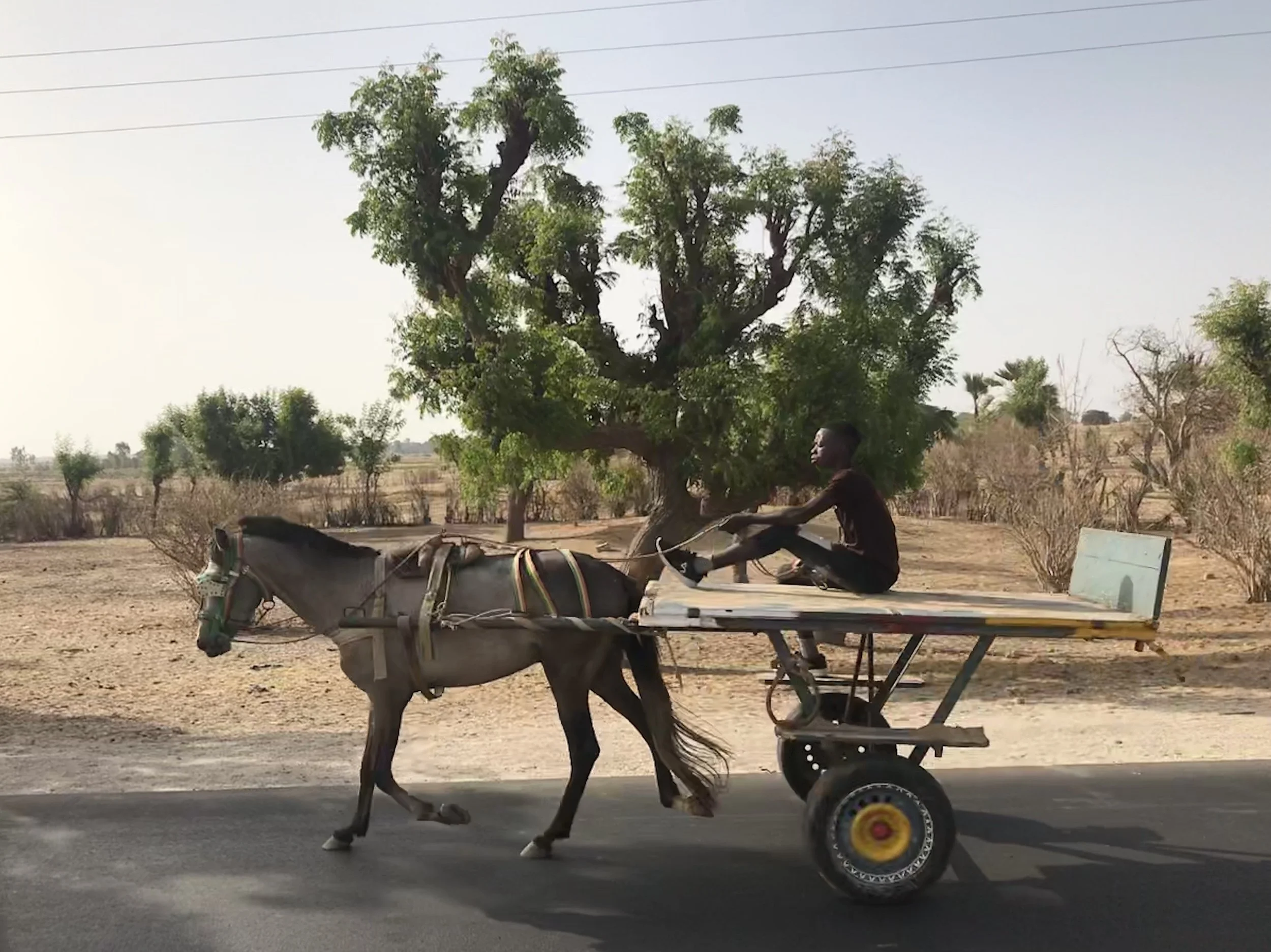
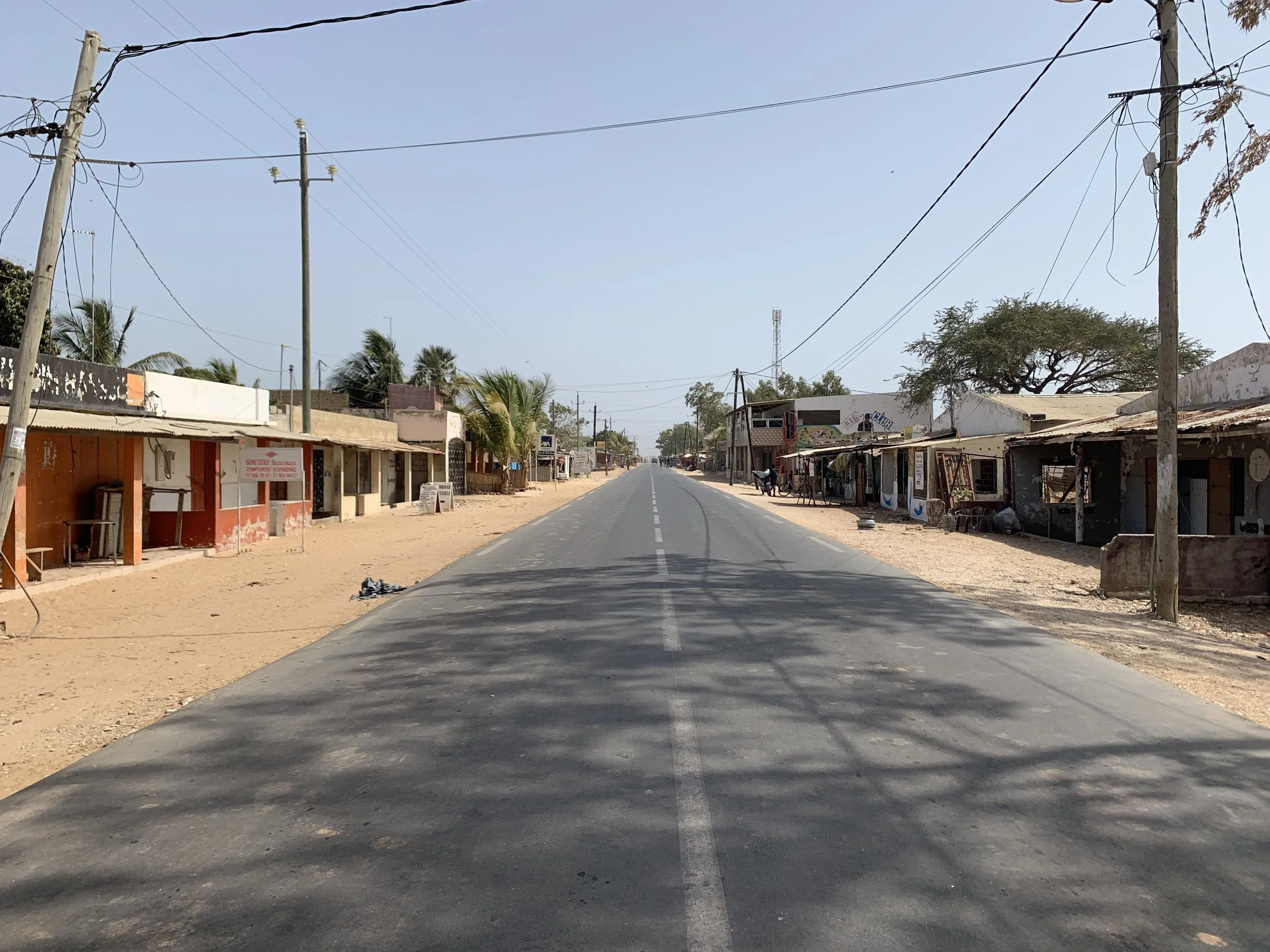
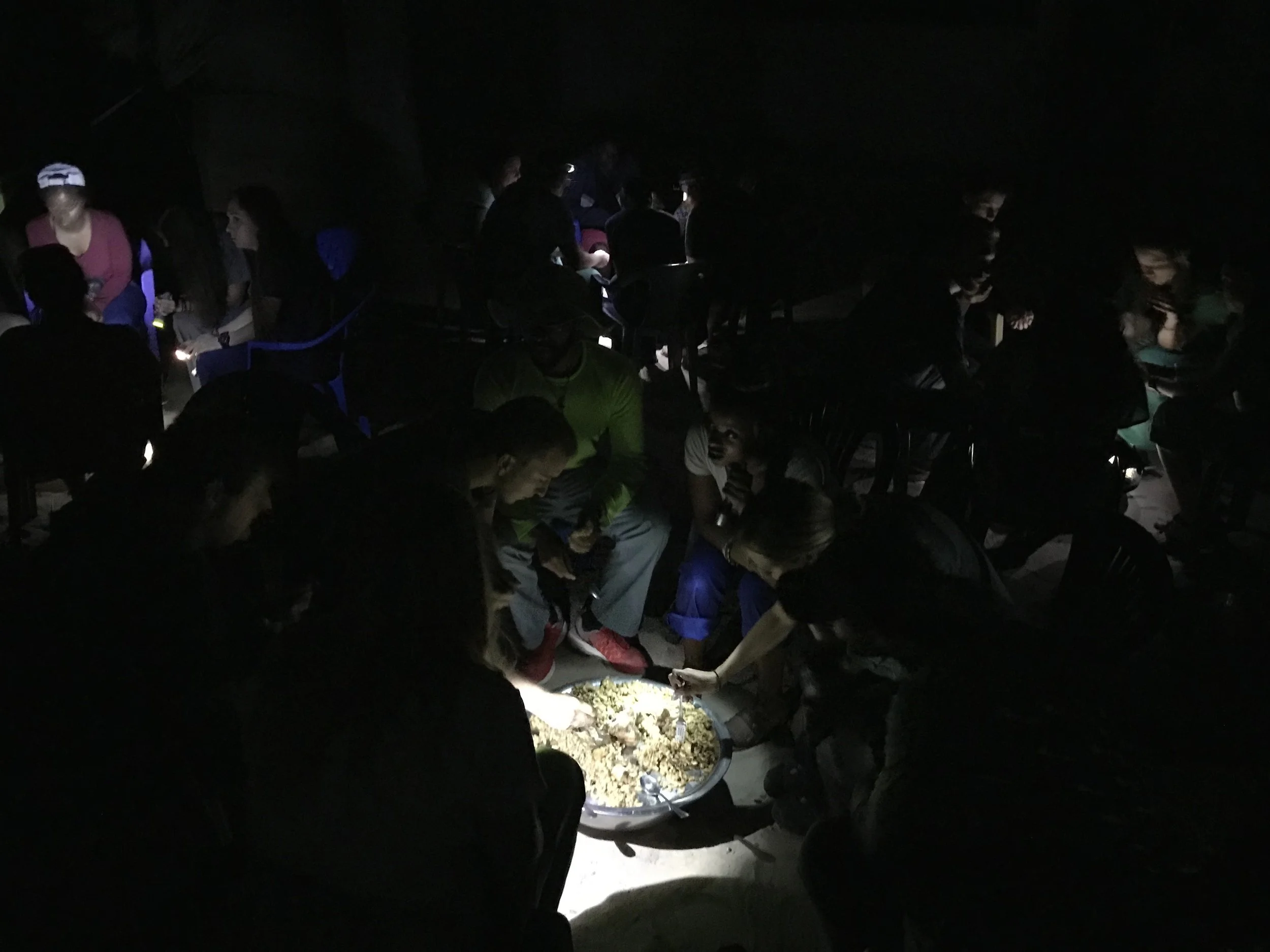
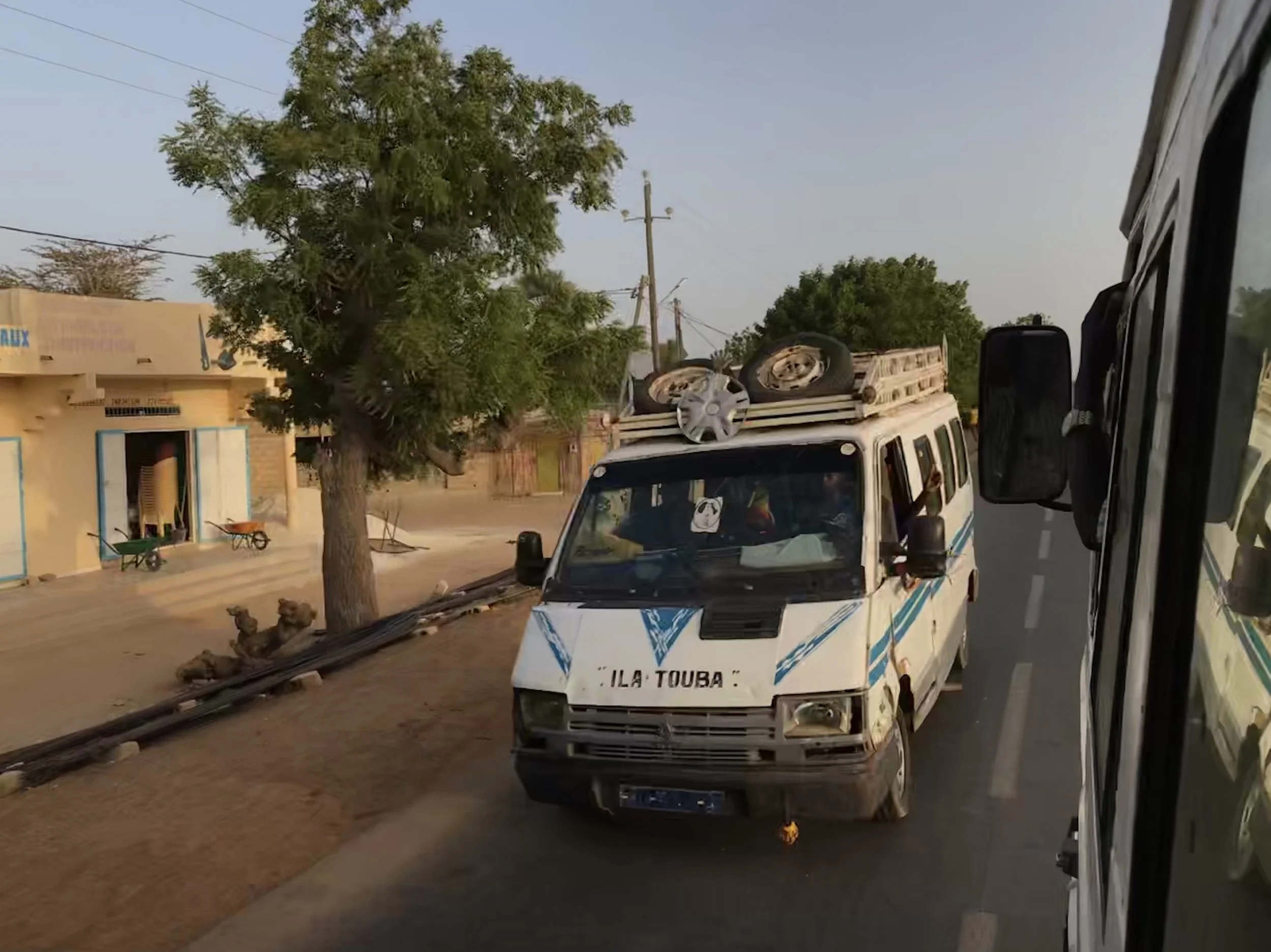
On closer look, another future can already be seen arriving. Chinese road crews laying pavement through remote regions. Imported grains and industrial foods accompanying rising blood pressures and blood sugars in a people whose bodies are unprepared for such metabolic velocity. Ancient rhythms interrupted by global systems moving faster than communities can fully negotiate. Yet even there, prevailing memory is not one of despair, but of welcome and laughter, of children playing with strangers’ hair in fascination, of good food and good company. Of the nighttime conversation that reclaims that ancient place around firelight. This sense that life here is profoundly communal in ways increasingly unfamiliar to the modern West. Meals shared around common plates in circles on dry ground. Lines outside clinic existing loosely until someone visibly suffering is moved gently forward without argument. Buses leaving not according to schedules but when full enough to go. In Africa, time refuses to be measured, or monetized.
Places like Senegal carry memory of a different orientation to one another. Not because life here is easier, or suffering less real, but because so little distraction exists between us. Our questions become less about our planned day, but about the memory of the night before and the meaning it may have for us tomorrow. Medicine at the frontier is an act of meditation. In places like these, that quality of attention medicine promises but increasingly forecloses at home becomes visible again. The architecture of managed minutes pressing itself between suffering and healing gives way to something approximating those oldest forms of healing: The long look. The question asked without already moving toward its answer. Presence without immediate interruption. Conversation itself returning center of that therapeutic act. Years after return, what lingers past mere memory of villages or clinics or long roads through dust at sunrise is the reminder of how much of healing begins before patient or doctor or clinic ever arrive at all.