CARRYING THE CONVERSATION
Our work is shaped by the conversations we are willing to have — with strangers in strange places, with difficulty, with the unknown. There is a particular kind of attention that forms when you work far away from home. When the usual scaffolding of familiar language, familiar equipment, familiar protocol falls away and what remains is the irreducible fact of another person in need, and sometimes, no one else to meet them.
Every such encounter is a threshold. A frontier where what we know meets what we cannot yet see, where the usual distance between us and another human being in need diminishes into something that has no name but asks of us everything that brought us to that moment. Our work in these places does not stay there. It comes home. It changes how we listen. It changes what we ask. It shapes how we carry on the conversation when we return, if we ever fully do.
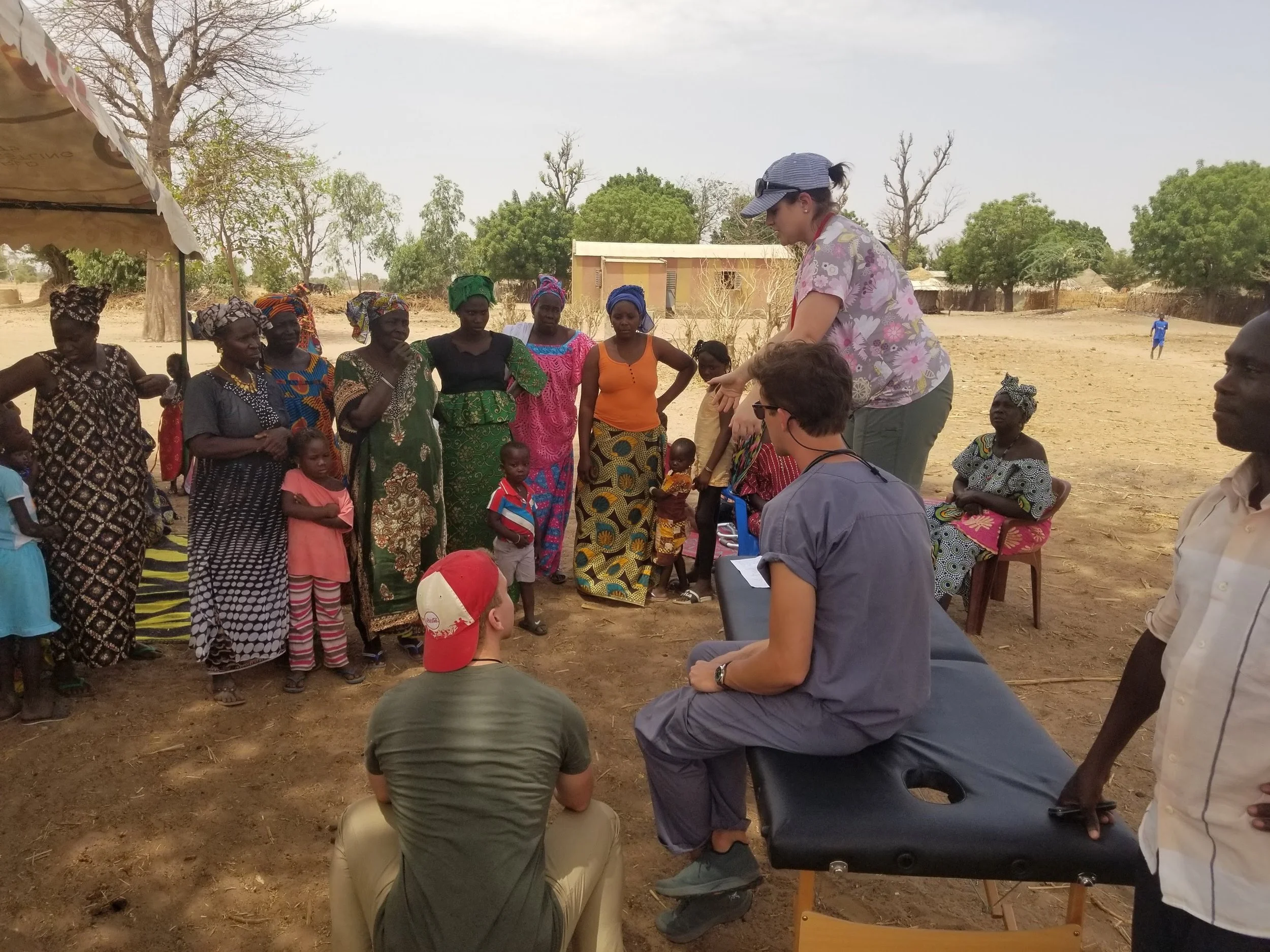
International medical work is a gift of return. Return to the original act before the coded encounter and managed minute, before the architecture of American Medicine™ made that growing space between physician and patient less negotiable than traveling across the world. Yet if a fish spends its life in water, it may never know what it means to breathe air.
All this separation between us may be unnoticed and unnamed until our work serves in a place where there is none, where the articulation of how far we’ve come to relieve suffering is prerequisite to the arrival. When we take our practice to where nothing is on offer but need and skill and presence, we discover again what presence is for: The quality of attention that has no billing code. The long look. The question asked without already moving toward its answer. Of the many crises facing our system of health care provision at home, our misunderstanding and misinterpretation of that which centers all therapeutic ends is the most fundamental, and most dire: that our relationship with our patients is itself the therapeutic means through which all true healing ends. Time is pressing in, the patient can wait, the computer screen needs the Doctor’s attention. And our patients notice. And they should.
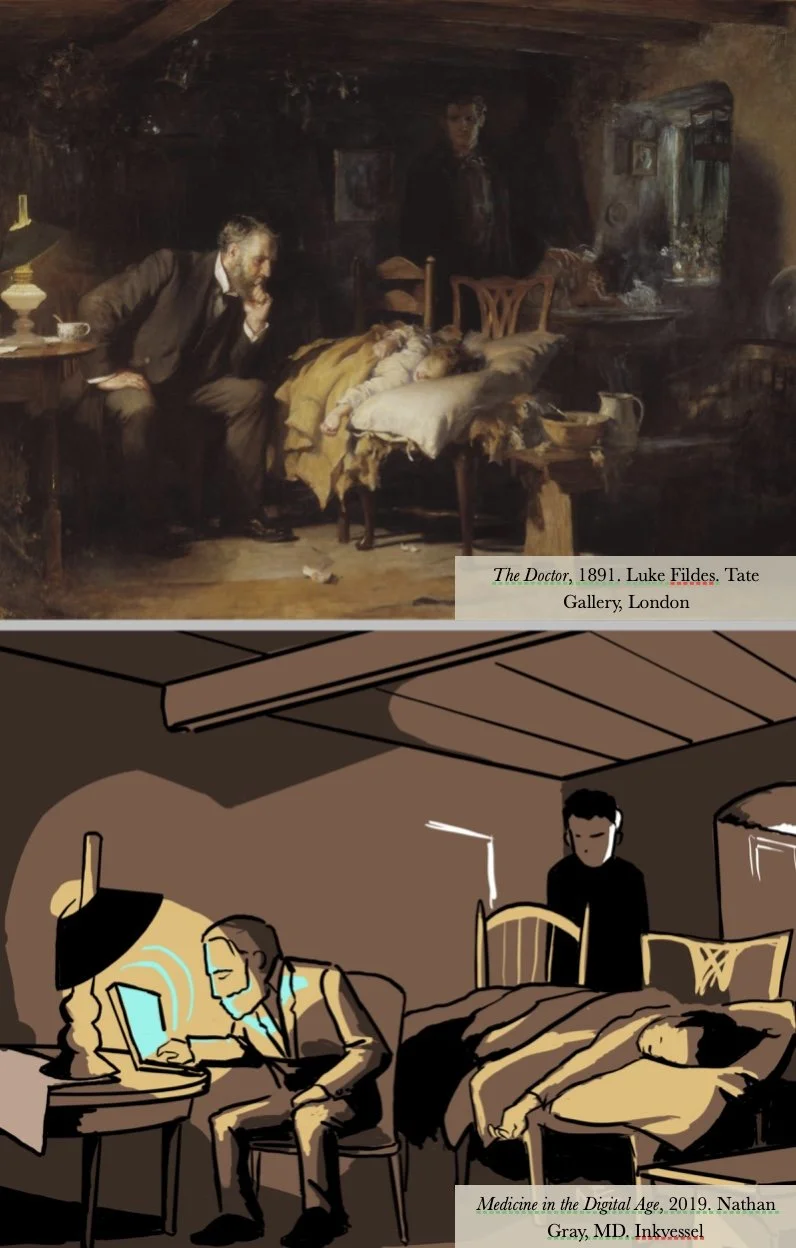
There is a particular grief moving through Modern Medicine. The grief of having chosen the healing vocation for reasons superseding profit and fiduciary endpoints while quietly, reluctantly, incrementally, accepting the central organizing activity of our work is not that of connection, but of commerce. The practice of medicine in places without such constraints holds the memory of The Conversation in a way that recenters and renews our attention on the work at hand, on the true means to the healing end. When we return, we bring that quality of attention home.
One of my mentors once succinctly made the case for sending doctors to places of greatest need: “You gotta go where the sick people are.” Aside from the practical reality that our time and resources go farther in the remote or forgotten or never truly discovered places than at home, going to where the sick people are reaffirms our commitment to the frontier, reminds us of patients’ structural challenges to health and wellbeing, and emboldens us to make our health system work better for those who need it most. To discover, while there is still time for the discovery to go deep, that the conversation medicine has always promised — the one our systems increasingly foreclose — is ongoing and waiting. That given the conditions of presence, and time, and willingness, and new attention, distance can give way to something like genuine meeting, waiting only for our arrival.
Throughout this site are some of the stories from those far away places that are sometimes closer to the conversation than our practice at home. They are not departures from attention to the ordinary work. They are its source.