UKRAINE
CARRYING THE CONVERSATION: MEDICINE IN THE BORDERLANDS
DO YOU TAKE MILK IN YOUR TEA?
The tea was terrible. Though neither of us said so for longer than was strictly reasonable. Kathryn Fleming had made it and I had accepted it, she an Irish GP who had arrived from another assignment in Greece that morning or the night before, and I an American Doctor who had arrived from southern Alabama where declining hospitality is a more serious offense than suffering through it quietly.
And so we sat and made the kind of conversation two strangers make when they find themselves sharing something they’d not expected and understood they are going to be working together for the foreseeable future.
How was the train.
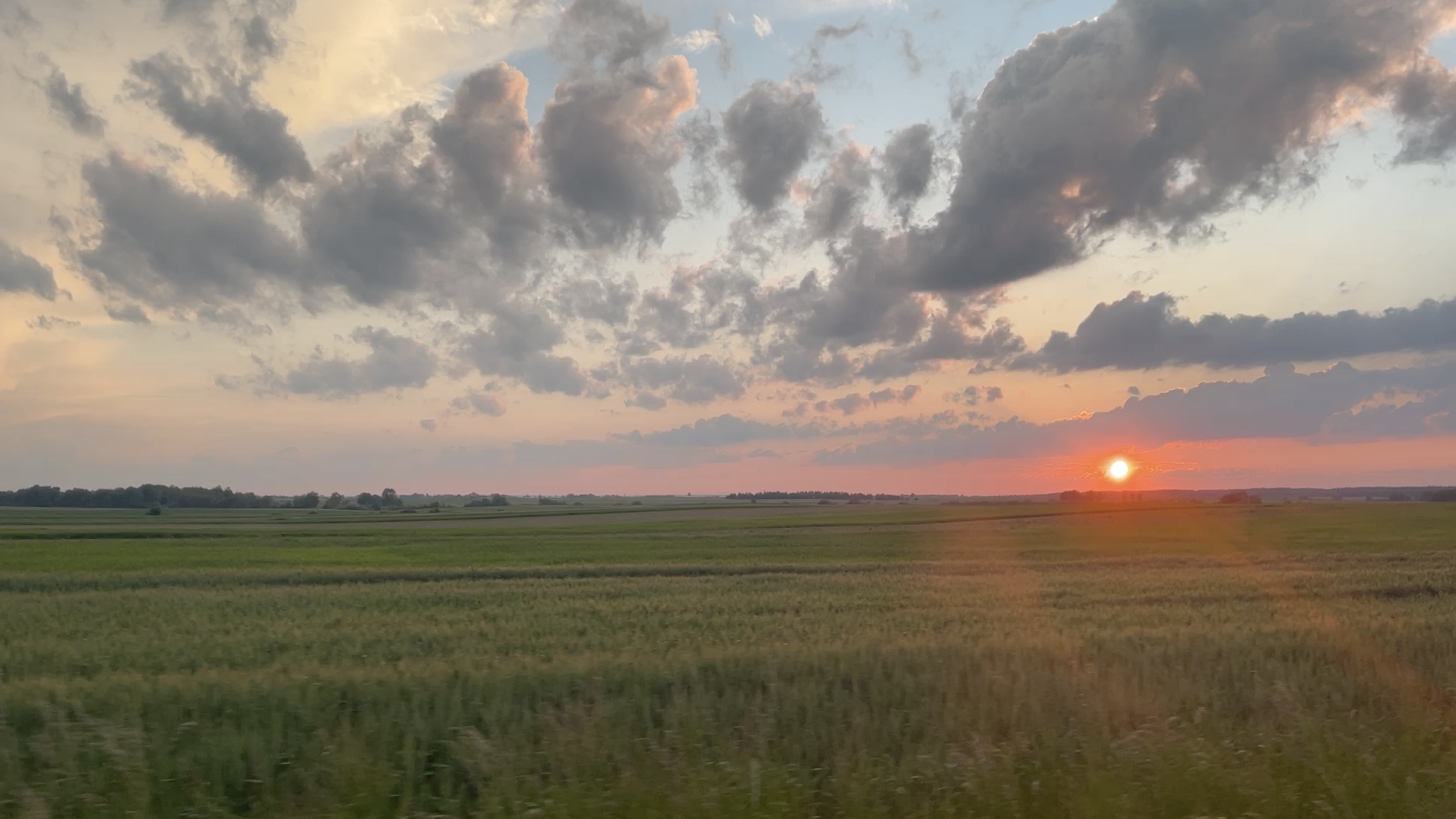
Long, yes, but the Polish landscape was worth the time to take in.
Are you rested.
Reasonably, or the version of rested that passes for rested when your hypothalamus has been in transit long enough to lose track of what time zone it is.
And beneath all of it the thing I don’t remember either of us saying directly, that which was hard to believe, sitting here in this camp at the edge of an ordinary European evening, that on the other side of that landscape, Europe was at war again.
That the two of us, an experienced Irish GP and a young American Doctor, had ended up at the same small table in a camp that hadn't existed three months before because the world had arranged itself in such a way that this was where we were supposed to be.
What neither of us could have known then was that this was not the last time we would find ourselves working alongside each other, that years later we would be comparing how medicine looks different depending on which side of the Atlantic you happen to be practicing it on. But that is the nature of frontier friendships, and none of that was obvious yet. What was increasingly obvious was the tea, and specifically, that something was very wrong with it.
I had decided on first sip that Kathryn Fleming MB was almost certainly a batty old Irish woman who had forgotten how to make tea, and had filed this information quietly away under the category of things one does not mention on a first meeting. She had decided, I would learn later, that this American must be some variety of simple not to notice something was so obviously and profoundly wrong with the tea she made, and had filed this away under a similar category. Between the two of us we may have had enough of this quality of politeness to have sat there until the cups were empty and the war was over without saying anything whatsoever. Fortunately, Dr. Fleming broke first. She chucked her tea, extracted the suspicious container from the small camp fridge, turned it in her hands and read the Polish label again.
The milk was kefir. Not a little kefir, not kefir adjacent, but aged, fermented, tangy, Eastern European cultured milk product kefir, reportedly a good and nutritious thing to drink deliberately, though a different experience entirely to do so under false pretenses of otherwise ordinary milk in otherwise ordinary tea on an otherwise ordinary day of another war in Europe.
We revisited our origin story weeks after, because it captured something true about where we were and what we were doing there, on the frontier, operating with labels you cannot fully read, in a language not quite yours, making decisions from incomplete information and the best available approximation of what you thought you were working with, and trying to preserve some continuity of civilization near the edges of the civilized world. Which, in unstable places, is also much of medicine. And sometimes the most useful thing is for someone to simply stand up and double check the label.
EUROPE, AGAIN
By Spring of 2022, war had returned to the Continent. Before early February 24th, Ukrainian cities still moved according to the usual grammar of European life. Trains arrived. Shops opened. Families sent children to school. Then history accelerated. Children evacuated schools. Shops closed. Trains departed carrying families with their pets, documents, expiring medicine scripts, whatever they had managed to keep hold of, toward borders that had always seemed permanent and now suddenly had a moral and geopolitical imperative to be.
How does a doctor from the American South end up in Southeastern Europe drinking fermented Polish milk with an Irish GP at the edge of a War?
In stages, like most things worth arriving at.
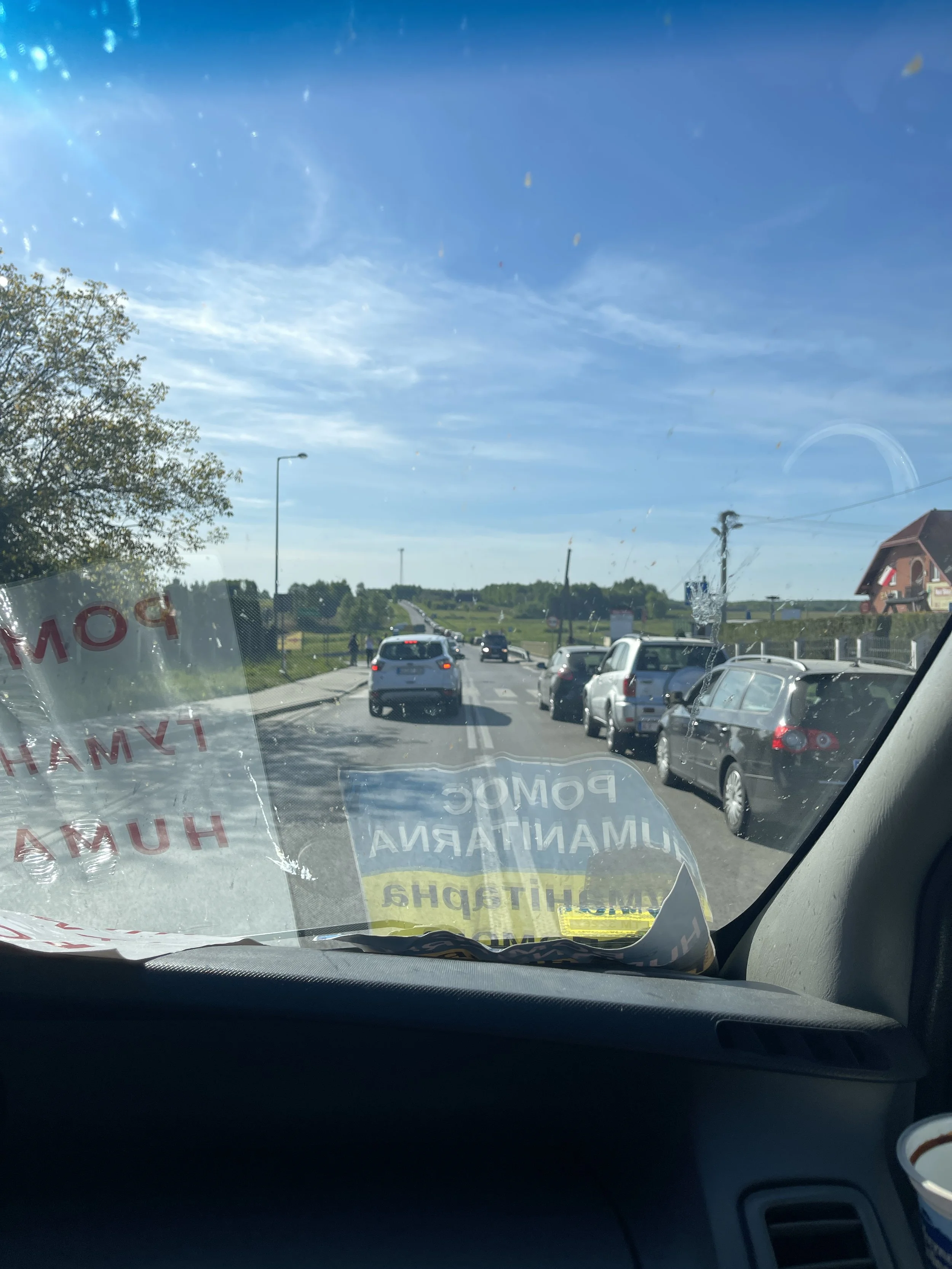
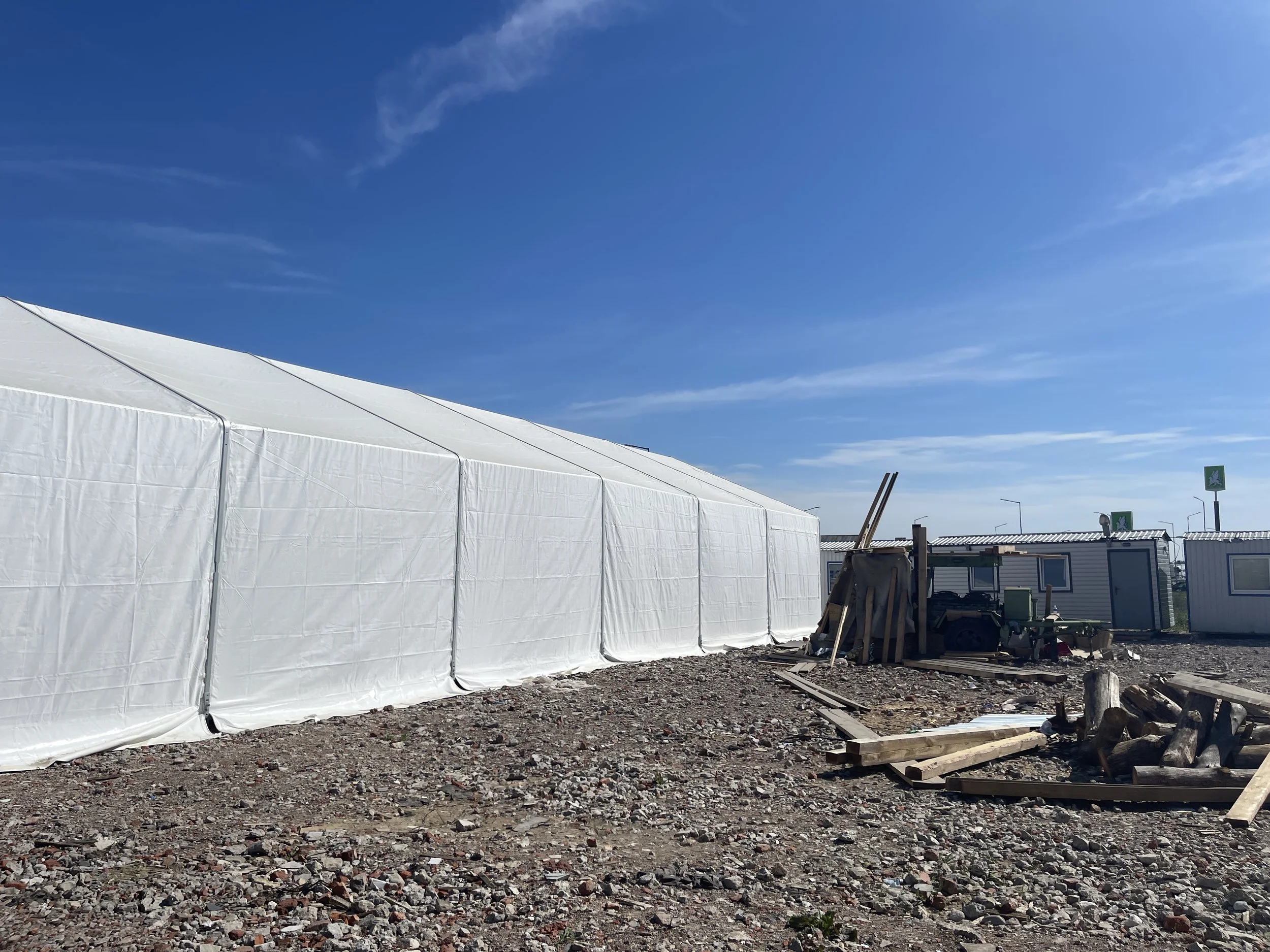
Three planes while Europe compresses itself beneath the aircraft into something that looks, from altitude, deceptively orderly, a geometry of fields and roads and cities arranged with the patient logic of a continent with a very long time to figure out where to put things, a much longer time than back home. Then southeast by train through Poland, where angles soften, cities become smaller cities become towns become villages become the particular atmosphere that accumulates around places the world has recently decided matter very much. White tents appear by old Soviet apartment blocks, anti-aircraft machinery and khata-sized artillery convalesce at checkpoints, convoys of vehicles with humanitarian insignia pass reciprocally on roads designed for farming, not war, and long civilian queues at crossings wind far enough to disappear over distant horizon. The closer East one moves, the more provisional everything begins to feel, as though the ordinary scaffolding of modern European life, the schedules, the posted hours, the assumption that what exists today will exist tomorrow in roughly the same form, has begun thinning out into something less certain and more immediate.
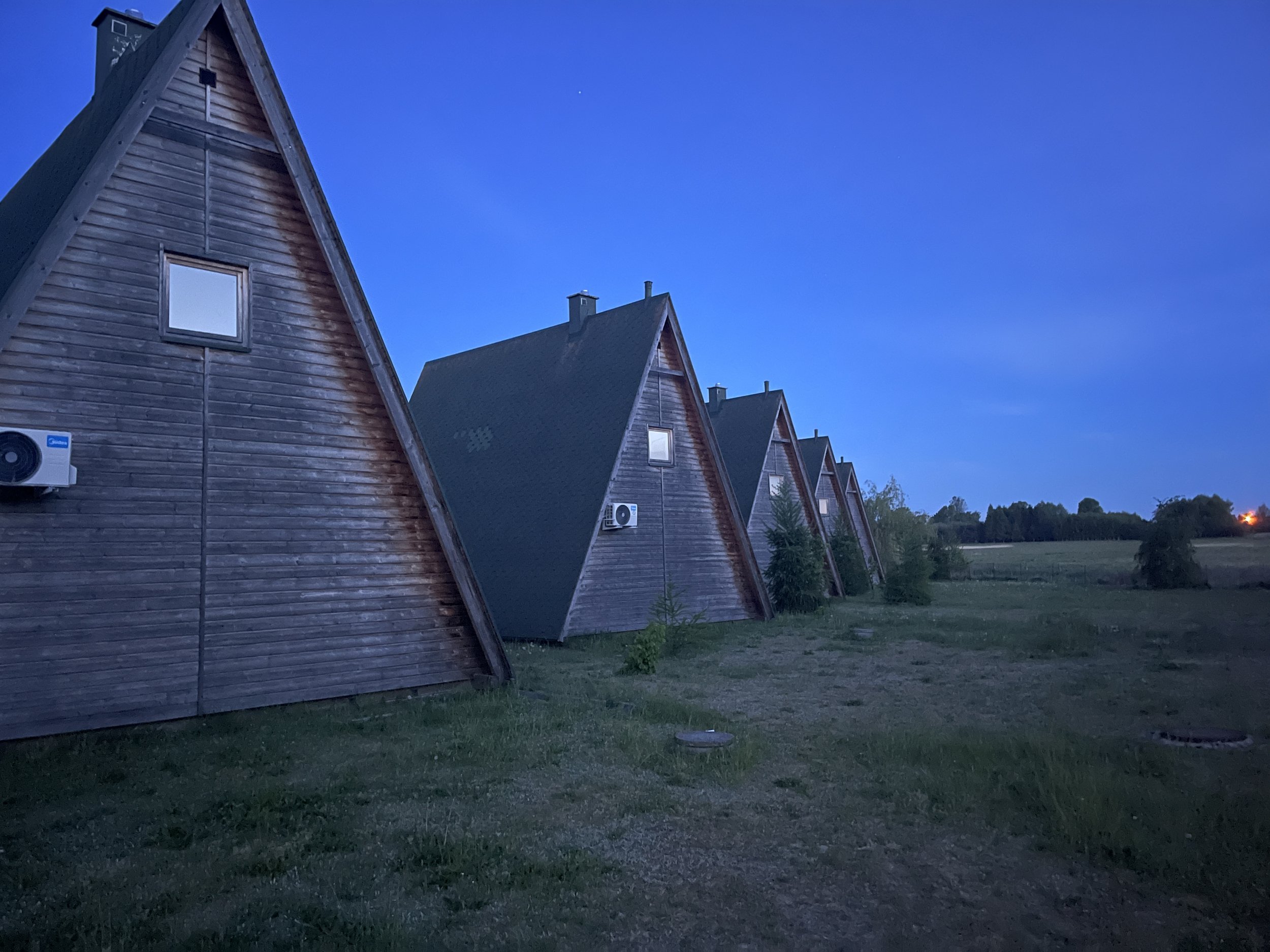
Two trains to Jarosław. Then Cieszanów, then our camp, which is where the journey East paused long enough to live a small life, and taste the worst tea I’d ever had.
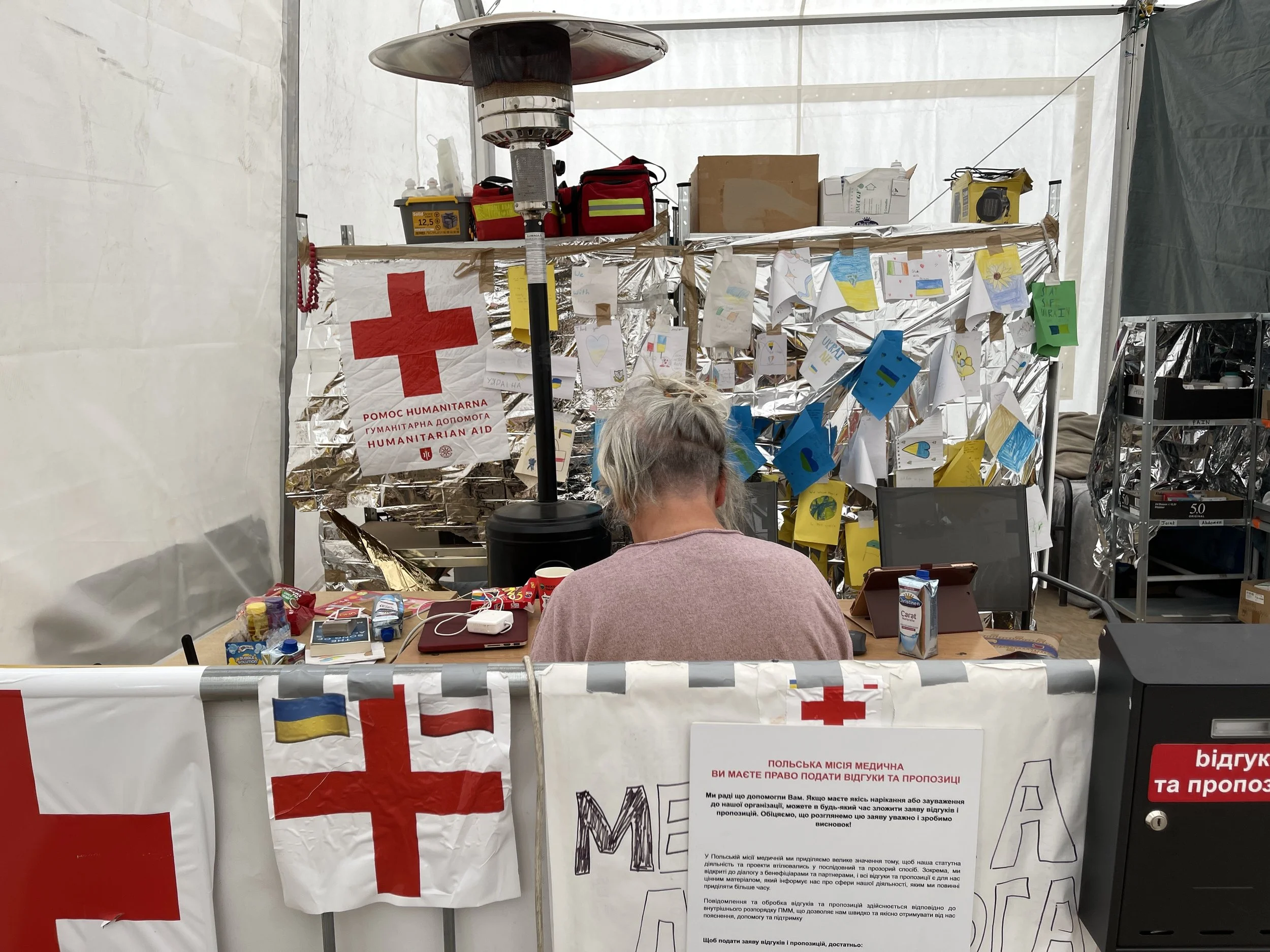
By the time we arrived, nearly one hundred days had passed since the invasion began. This number had its own significance, there were preparations for commemorations in Lviv, the kind of solemn public marking that wars acquire once they have lasted long enough to acknowledge they are lasting. The initial breathless early coverage and rapid deployment of resources and the sense that the world had paused to pay full attention had already given way to inevitable disinterest. Camps assembled in emergency were no longer quite emergencies. They were conditions. Refugees cascading Westward through border points for weeks were still arriving, but the tide had changed character, less acute, more chronic, an emerging texture of a crisis that has stopped being news but hasn’t stopped being real. The tents were still white, the crosses still red, the gravel lots still full of caravans with organizational insignia, but something had settled into the infrastructure that distinguished it from emergency and had not quite resolved into ordinary life. It was neither.
HURRY UP AND WAIT
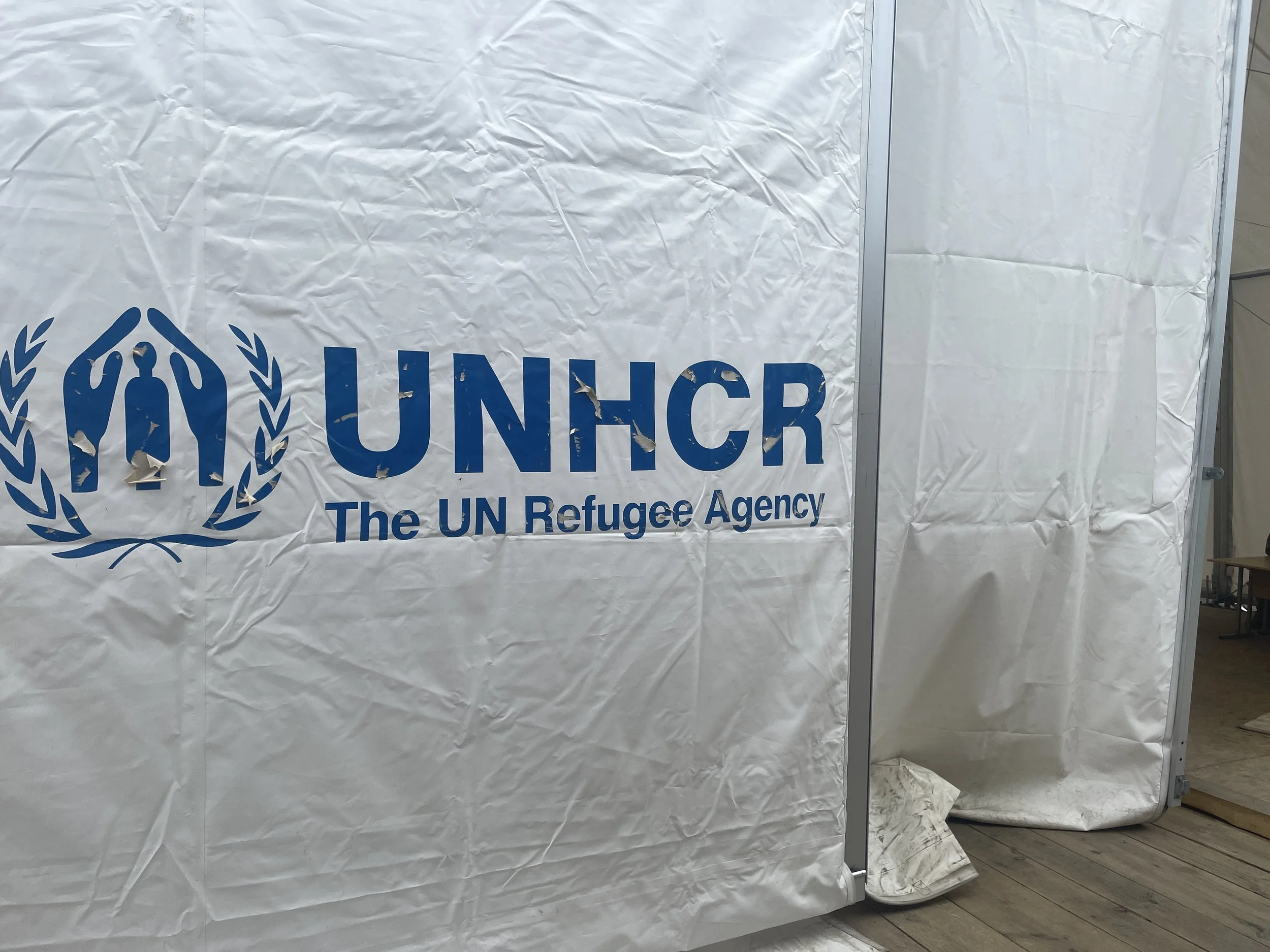
We lived in Poland under the protection of the United Nations, and crossed East each morning in Polish ambulances. Soviet-era Polish ambulances with analog dashboards, stick shifts, and handwritten labels in Cyrillic script half the team couldn’t read. Through backroads and checkpoints and passport flashes and exits and entrances every morning we’d drive through one of two border crossings, wave past queues with other humanitarian caravans while Ukrainian families wait beneath floodlights with a patience of people who have accepted that waiting is now part of their life. Even still, there was lots of waiting. Each way most caravans required passing through a single X-ray apparatus, the mechanics of which I never wondered but I presumed my tax dollars were somehow implicated. So twice a day or more, we vacated the ambulances, tried to avoid eye contact with Polish and Ukrainian military officials, and let them radiograph our car. And we hurried up and waited.
ASSEMBLY AT THE FRONTIER
Doctors and nurses, journalists and writers,
Poets, prophets, wanderers, fighters,
Chain-smoking vagabonds and self-titled anarchists,
Smugglers, fixers, arms-dealers, opportunists,
Actors between roles,
Lovesick between lovers,
The homeless, the voyeurs, the former circus performers.
The recently converted, the deliberate wanderers,
Mercenaries, missionaries, penitents, warmongers.
An Austrian nurse, a Heidelburg Autist, an Odessan polymath, a Berliner Anarchist, a junior doctor, a senior one, a philosopher driver who recites verse and another who looks like a baker, moves like a smuggler, and sources moonshine through channels nobody asks about. Local seasoned physicians deferring to foreign young ones in converted gymnasiums. Refugee camp grandmothers with borscht and coffee and no inclination whatsoever to take no for an answer. Para-military men heading East for reasons nobody asks them about either. Aid workers rotating in. Sleepier aid workers rotating out. Everyone smoking. Everyone moving. The frontier assembles itself, as it always does, from whoever shows up. And a few were there already and would be there when the others left.
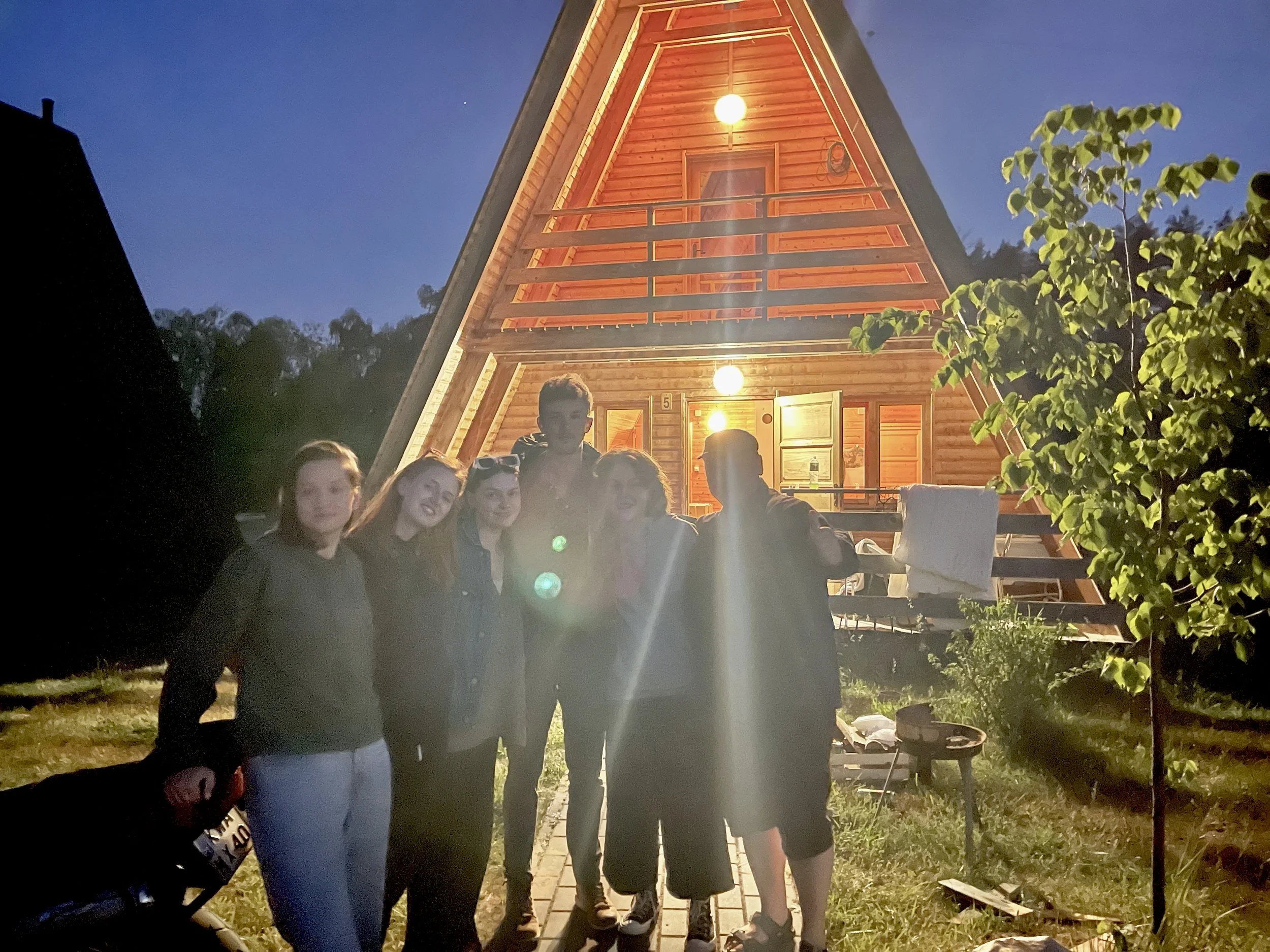
Rose was our team lead, which meant she was responsible for logistics and safety and finances and the organizational coherence of a group of medical volunteers from six different countries with twelve different ideas about how things should be done. A self-described German anarchist punk, with half-shaven white hair, skeptical eyes shadowed by the quality of sleep that never settles into full circadian rhythm and dark eyeliner applied with the confidence of someone who has long since stopped considering whether the circumstances warranted it, and with a chassis aged beyond her years by chain-smoking and the kind of flat familiarity that comes from doing this kind of work as long as she has. She was technically homeless back in Germany, presumably not from misfortune but from deliberate arrangement, having organized her life around the work in such a way that a fixed address would have been an inconvenience, or misorganized her life to the point that the only way she felt coherent was in places of disarray on the Organization’s dime for provisions and crucially, infinity cigarettes. Rose was also completely infatuated with Aaron, who she’d known from prior assignments.
Aaron was Polish, one of our two drivers and fixers. He rose before anyone else in the mornings to “make sport” and practice yoga shirtless in the yard while Rose smoked on the porch. He had done circus work before acting before dancing before fixing and driving, and still had a quality of inhabiting space as though it were a performance medium. He was married and deeply, emphatically, and loudly in love with a woman back home, which he would discuss unprompted on drives through countryside while landscape scrolled past ambulance windows and while Rose scrolled Facebook pretending she wasn’t listening. He composed poetry and tanned on the ambulance roof while we worked. Not only did he teach me every Polish and Russian profanity he knew, but provided practical demonstrations of such while driving through border crossings and villages, all with the pedagogical enthusiasm of a man who considered this information essential to any serious understanding of Eastern European culture, which it was. Aaron looked at the world the way I’d expect circus performers and poets and people who have chosen their life deliberately tend to look at it, with a kind of alert, appreciative attention, as though everything happening was interesting, which in the place we were in and the ones he tended to seek, it generally was.
Aaron was also who decided to start calling me Cowboy Doctor, which nobody argued with except me, until gradually it did what nicknames do when they are accurate enough, and I stopped arguing with it too. He remains on my future bachelor party invitation list, when the time comes.
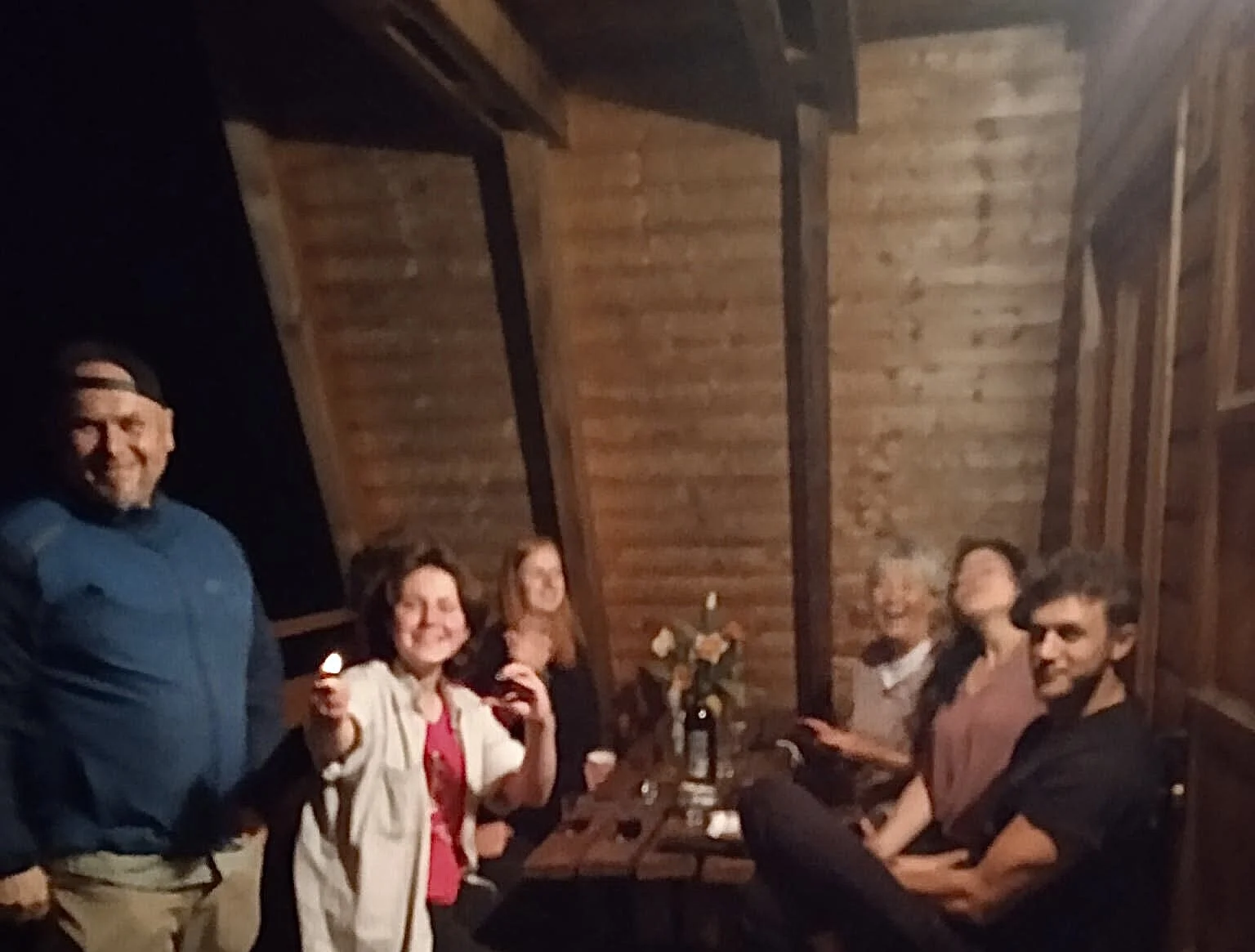
Martin was the other half of our driving operation and the realist to Aaron's romantic. Martin is truly indispensable in ways that are harder to romanticize but more immediately practical. Short, solidly built, unmistakably Polish in the way that certain people unmistakably carry the terroir of their geography, he looked like a proprietor of an artisanal Kraków bakery, the kind of man who would know exactly which bread you wanted before you had finished asking. But he moved through checkpoints and supply chains and bureaucratic gray areas with the fluid, unhurried competence of someone who has always understood that the world runs not on systems but on relationships, and specifically on knowing which relationships to cultivate and when to call on them. He was an archetypal fixer, not because he fixed things, but because he inexplicably knew in any situation, place, and circumstance which person in which room could make the unfixable thing slightly more fixable. The night before I left Ukraine, Martin assembled a surprise party and brought one of the last remaining bottles of Ukrainian moonshine, sourced through channels no-one asked him to clarify, during a prohibition in a country one hundred days into a war, which is exactly the kind of gesture that says everything about Martin that matters.
Wars gather temporary civilizations around themselves, from whoever is fleeing or whoever is needed or whoever has spent long enough moving between crises that the irregularities feel more coherent than regular life elsewhere. Among them all, medics carry a different kind of passage, one the place and the people in it already recognize before the question is asked while hands already point to torsos and limbs saying bolyt, hurts, which to my American ear sounds indistinguishable from bullet. Long before full translation arrives, medicine finds its own passage between strangers, and functions or fails by whether someone like Aaron is around who knows which roads remain clear, or Martin to open the ones that aren’t.
THE ANCIENT CREDENTIAL
Medicine arrives at the interior of a stranger's life without need of the long negotiation ordinarily preceding such arrival. It does not require years of friendship or slow accumulation of shared experience or careful management of trust across time. The Healing arts are ancient and portable and recognized across every language and orientation and landscape. The credential precedes us, and requires only a willingness to show up in it fully, while trust arrives, not because it has been earned in the usual sense but because it is older than the usual sense, because something in us has always known to extend it toward the person who comes to attend to the body in its difficulty, a knowledge that predates debated borders. Someone is here, and they are paying attention, and for the duration of this moment that attention belongs entirely to the one who is suffering.
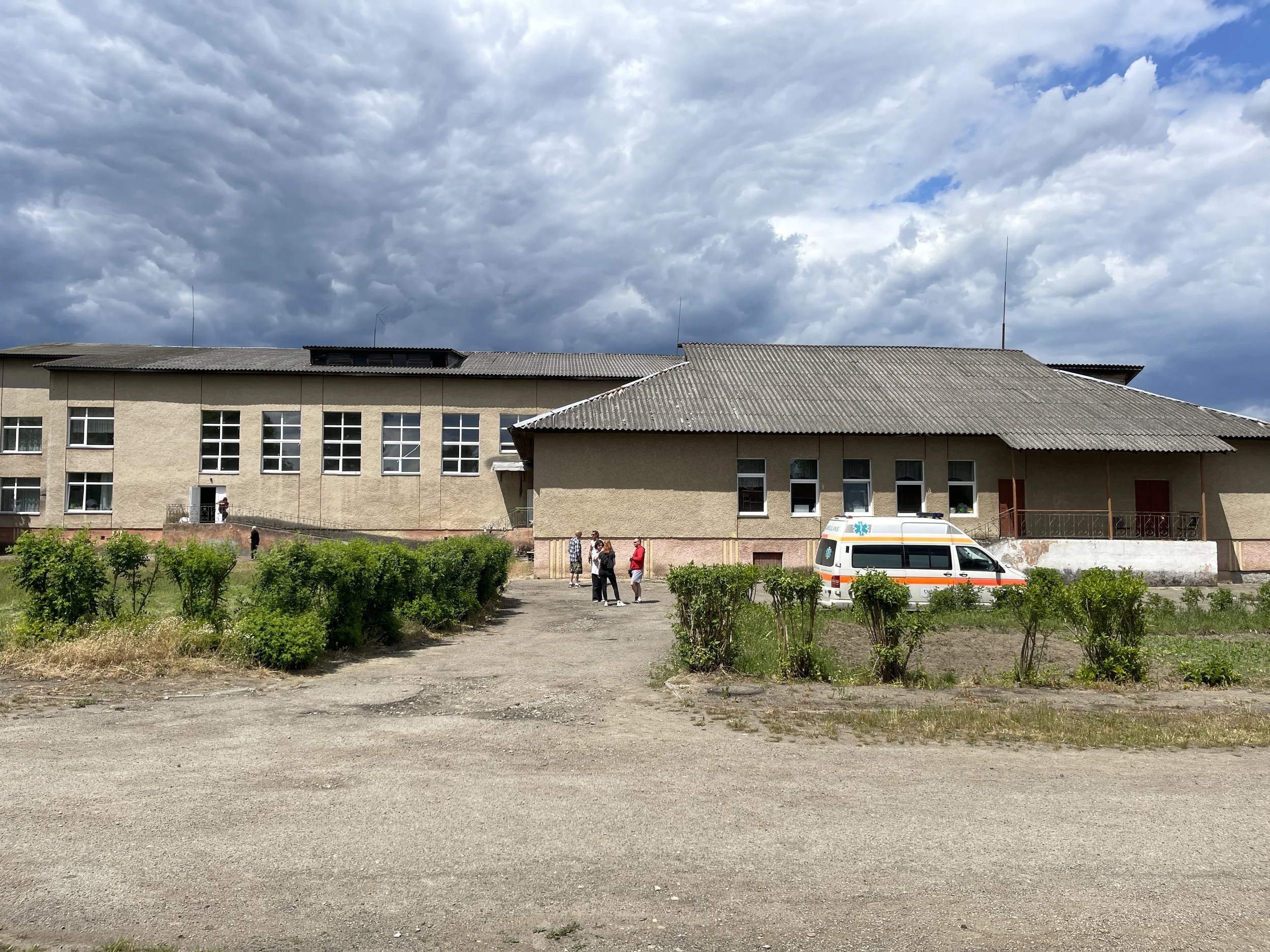
In converted schools and sanitariums and community centers turned clinics, refugees and village hosts allowed a group of foreign visiting doctors and nurses, with invitation and coffee, into the most private facts of their lives and bodies. Masses growing for years in silence, limbs long broken and never set, minds retreated so far inside themselves their neighbors had stopped looking for them, chronic conditions of people living with interrupted care before war arrived to make transient interruption permanent.
This is the medicine of interrupted continuity, and it exists everywhere systems are fragile, though it concentrates itself in places like this, where fragility has been the condition for long enough to become ordinary.
THE BORDERLANDS
The word Ukraine itself is old Slavic for borderland, which is either poetic coincidence or the most accurate piece of national nomenclature in the history of cartography. Situated at the edge of empires that could never quite agree on where they ended, shaped by powers that moved repeatedly across it without ever fully settling what it was or who it belonged to. Soviet apartment blocks beside Orthodox churches beside slowly arriving infrastructure of a Europe it had been trying to join, trying to leave, trying to join again. West and East convene on palimpsest of landscape and village and faces where every layer of writing is still faintly visible beneath the one that came after.
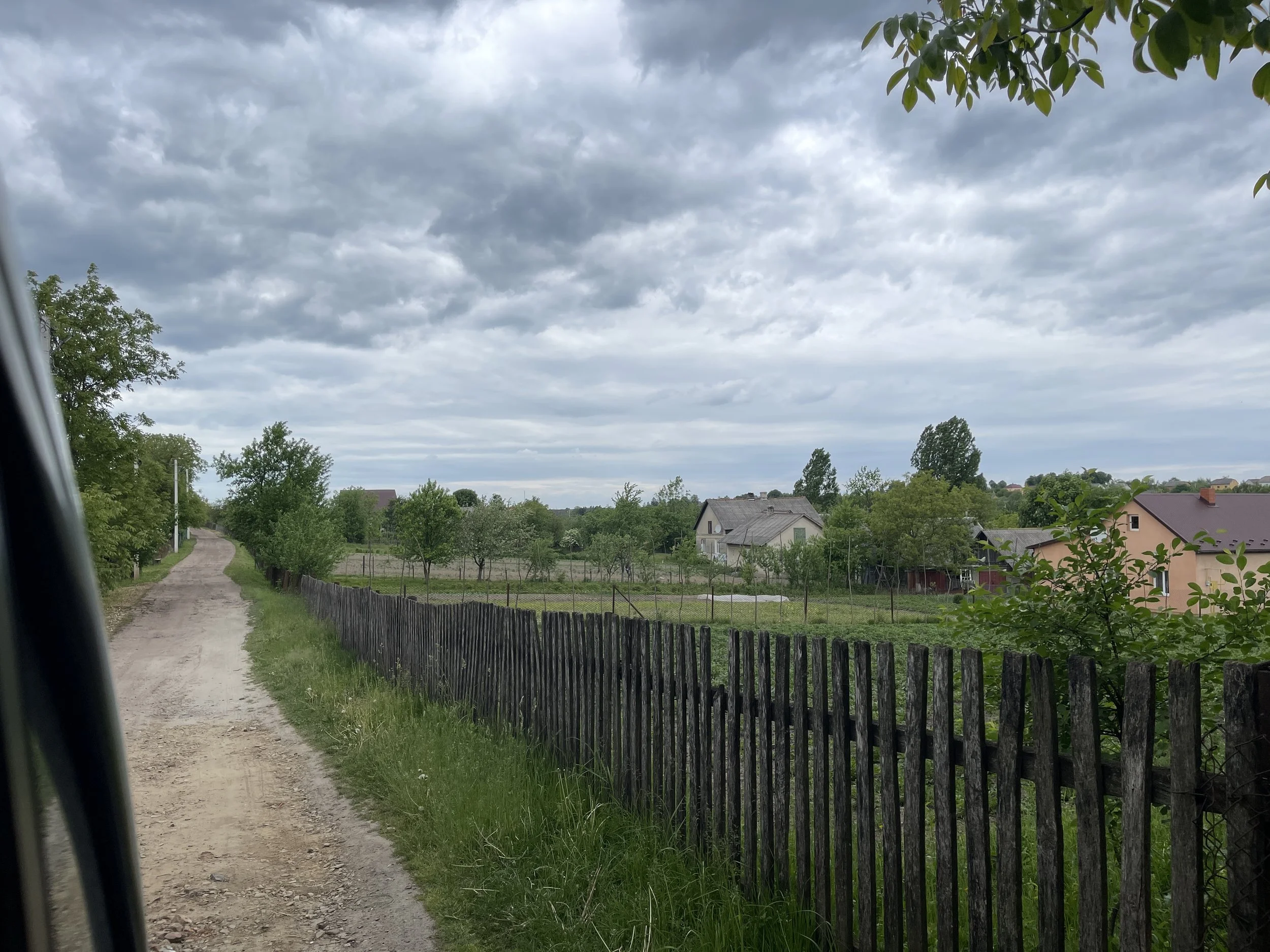
One morning, driving through the countryside before the rest of the team was fully awake, Aaron the poet disguised as Aaron the ambulance driver gestured toward the horizon where the maps run out and something older and less managed takes over, and said looking East to him felt like staring into some endless lawless freedom. “That way, a man is free.” Of course, this was also the direction of an invasion. Some Aaronesque freedom that is not peaceful, not comfortable, not something anyone would choose, but that exists in spaces where the ordinary architecture of constraint has been forcibly removed. The land doesn’t recognize war or borders. It just goes on, rolling and indifferent, East toward a horizon that contained, somewhere beyond it, everything the alarm sirens we ignored were wailing on about.
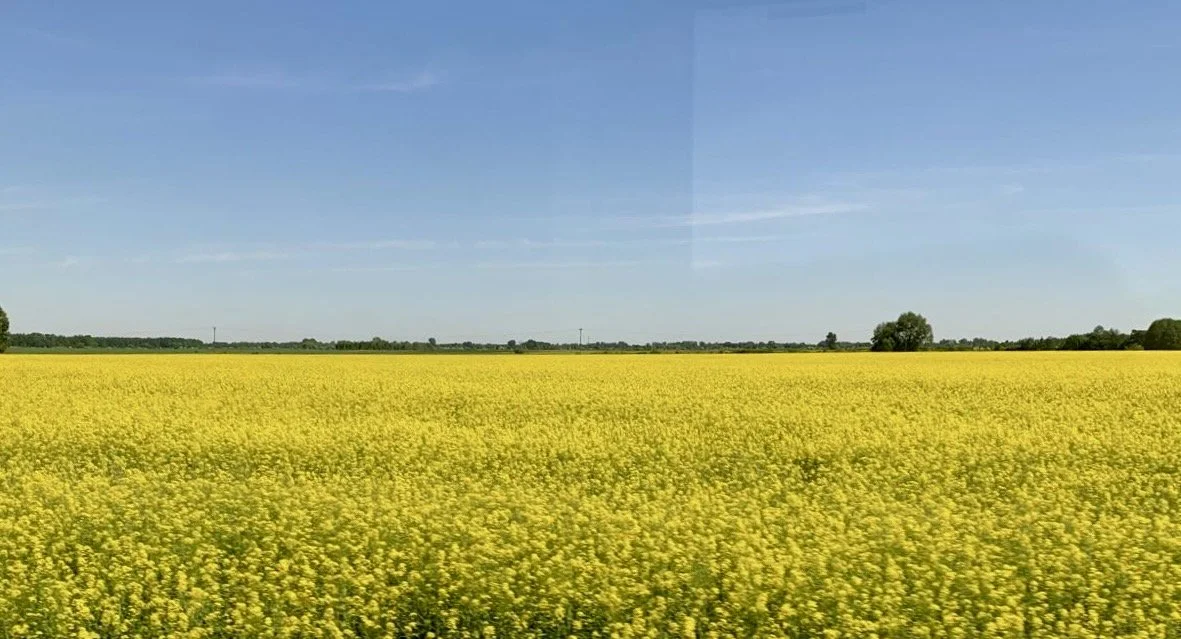
Across the Borderland, where ruin or proximity of ruin and violence or evidence of violence should be, is instead all the evidence that the emblem of this place is less symbolic than geologic reality: It takes about two inhales length of watching the countryside disclose itself through an ambulance window to understand the symbolic meaning of the Ukrainian flag. Sky and green turned golden ground under late spring light meet at the place where church bell towers preside over villages older than the nations currently arguing about who they belong to.
The people here carry something older.
There is a phenotype at the corners of Europe of those who have lived a very long time at the frontier of competing certainties. Centuries of being the in-between people in the in-between place shows up in a certain countenance across generations, and arrives in an accurate and unsentimental bearing which does not mistake hospitality for naivety or warmth for weakness. They are this fertile ground’s longest argument, shaped by the same Earth they have refused, across every invasion and occupation and reorganization and renaming, to stop being of.
Everyone smokes. Almost everyone drinks too much clear or amber liquor. Refugee camp babooshkas press coffee and borscht and dark bread into your hands on arrival and coffee and pastries on departure, and you learn quickly that this is simply how it goes, that the work begins after everyone has sat and eaten, and not before.
Every meeting begins and every departure ends the same. Slava Ukraini, Glory to Ukraine. New missiles strike old cities whose residents had assumed, not unreasonably, that this particular sequence of catastrophes their grandparents had survived, constituted a kind of historical inoculation, that Europe had exhausted its appetite for this variety of organized violence. But history in this part of the world isn’t satiated. It pauses, reorganizes, and returns under a different flag with the same essential demand, which is that the people of this borderland decide, again, who they are, what they are willing to hold onto, and what they are willing to lose to hold onto it.
PRACTICE INSIDE INTERRUPTION
Dr. Fleming had said it early, with the economy of someone who had learned through enough frontiers to have distilled the lesson to its essential form: “if you can't practice good medicine, practice safe medicine.”
In the borderlands, the hand-offs don't hold. Histories arrive in fragments, translated through layers of displacement and language and trauma and messiness and mistruths and misunderstandings into approximations of what may have actually happened to a body now needing medical attention. Patients move between shelters and villages and borders in patterns that no follow-up system can reliably track, even if the UN sent every last hryvnia to the effort. Whether because of scarcity or disruption, those ordinary questions of full diagnostic picture, next steps in workups, specialist recommendations, concede to more immediate ones: what can be known here, what can be done here, where can we immediately get this person before they disappear again into displacement and unknowing.
In one of the village clinics we visited, a young girl around seven years old came to us with a left arm so obviously deformed I assumed on the three-second Gestalt she had an acute fracture, bone pressing visibly against skin at an angle suggesting recent and catastrophic injury, but at five seconds noticed the absurd incongruence of her happily and laughingly greeting us and using the arm despite her deformity.
Our translator explained, anticipating our questions and with patients accustomed to bridging significant conceptual distances, that the arm had been broken years earlier and had been treated since by regular “massage”, the provincial custom of gradual, manual, manipulation of disrupted bone toward something like alignment. There was no one in a hundred miles which might as well have been a thousand who knew how to set bone, or apparently, that their massage was probably doing more harm than good. This is the borderland of Europe, but it is certainly not Europe.
At a remote woodland sanitarium turned refugee settlement, an elderly woman arrived jaundiced, emaciated, malaised, with firm visible right sided and palpable left abdominal masses, whether colon or liver or ovary or diffusely peritoneal, almost certainly had been present and untreated for years before the war. She was tired, both her sons were in Odesa the last she heard, which was when they left. This was the first she’d heard anything about the possibility of this being cancer.
In one village, we were asked to see a middle-aged woman who spent all her waking day sitting in the village church muttering to herself. Sometimes she would wander the roads, but eventually her neighbors would convince her to return. Villagers were more than confident she was possessed, but were equally confident the visiting doctors should weigh in. Untreated schizophrenia manifests across cultures and languages and borders in a predictable and reliable pattern, reminding us how similar we are when the normal scaffold of intellect and culture and personality and social overlay begins to unravel. The dilemma with treating psychosis in these places, despite having plenty of UN-funded haloperidol, is that psychosis is worsened by starting but not finishing treatment. In the presence of an antipsychotic, the brain’s dopamine-pathways will reorganize around a new treatment it will now miss with a new and specific acuity. Through a kindling effect, starting treatment without reliable follow-up and discontinuation leaves an already fragmented mind worse off than without medicine at all. To treat or not to treat, without the system behind the treatment.
To practice inside the interruption, the frontier compels a Hippocratean acknowledgment that the ideal and the possible will not always converge, and that the obligation in the ideally thin space between them is to navigate it honestly, without harm, with whatever is actually available. When we can’t practice the best medicine, we practice good medicine. When we can’t practice good medicine, we practice safe medicine. When the handoffs don’t hold, the work becomes carrying the conversation forward long enough for someone else to continue it.
SWEET HOME ALABAMA
Daria was our translator. She was the same eighteen years old as my little sister, though had already arrived by the time I met her at a relationship with the world that most people spend decades to achieve and most will never have. Weeks earlier she had evacuated from her dormitory in Odessa during the early invasion, and now worked at the border while working out where in Western Europe to continue her degree. My own sister was back home in high school considering her own future, far away from War.
Daria spoke English and Ukrainian and Russian and moved between them in a fluid, unselfconscious, European way. She was our primary translator, which meant she was present for everything, the meetings, clinical conversations, negotiations with mayors about which buildings needed medical teams and when, long drives through the countryside, inside jokes that formed and reformed around the table each evening like a kind of collective immune response to all the days contained. She was extraordinarily intelligent, and may never have been naive, or if she was, the war had completed whatever work remained. She smoked. She was categorically cooler than I ever could have been at her age, with an encyclopedic catalogue of music. In addition to translator, she was default aux and DJ. It turns out, Sweet Home Alabama is apparently a song she knows every word of, which became, improbably and perfectly, an anthem of our convoy. She would play it through her phone or whatever speaker system in proximity, sometimes ironically but not always. The war continued. But so did the music.
EVEN HERE, EVEN NOW
One evening at camp, a concert came through headlined by Mr Polska, a Polish rapper who, as anyone could have guessed by the name “Mr. Poland,” spoke and sang exclusively in Polish while hundreds danced beneath lasers and strobe lights while any missile sirens had no chance of being heard.
Another evening in that second week, I heard giggles and a knock on my closed cabin door well past any reasonable time for Aaron to be making sport or Rose to be asking if I’d seen Aaron, and after I had already changed for the evening to sleep. Not Rose. Rose laughs exactly like a thirty pack-year smoker is supposed to laugh. Instead, two Polish girls interrupt my meeting with Morpheus to tell me they had seen me earlier, through what small polite English was available. Their friend was getting married, they explained, and her bachelorette party was three cabins north of mine, and they were hoping the American would join…
Somewhere beyond the border, the war continued. Here, a woman was getting married, and even now her friends were going to celebrate this properly regardless of what history was doing nearby, because some things are not subject to historical interruption, and the cowboy American doctor needed to be there, apparently.
I slept very hard in the ambulance the next morning commute. I haven’t had Vodka since.
THE LONG WAY HOME
The crossings each morning and evening had their own accumulating pattern. Aaron at the wheel, composing verse or demonstrating expletives. Martin silent and competent beside whatever obstacle had appeared between us and the next camp. The Austrian nurse warm against the cold mornings. Rose in the back reviewing something, always reviewing something, the cigarette and the clipboard and the absolute conviction that the work matters. And the landscape receiving us each morning as it receives everyone, hills and fields and bell towers and sky, the flag, the people, the place simply being what it is regardless of what is being done to it.
There is a particular kind of attention that forms when you work far away from home. Our work in these places does not stay there. It comes home. It changes how we listen. It changes what we ask. It shapes how we carry on the conversation when we return, if we ever fully do.
When the work in Ukraine was over, I spent the next month recovering in a village near Munich first, with a German and American professor couple who had taken me in years earlier while studying there. Perre’s parents were Nazi dentists, which he loves to say. Carol was from Atlanta, and they met in Germany and have taught art and literature for the last forty years when they’re not busy working on their country homestead, listening to NPR, or watching somehow every film ever made. They kept me for almost a month off and on as home base, and fed me and asked careful questions in that way of understanding that the person across the table is still sorting through things, while they sorted through Europe at War again. During that debriefing month I hiked the Alps with the Austrian nurse who taught me to drive manual in Poland in a Polish ambulance, and explored Prague with the Czech doctor and their friends who were watching the war from a closer proximity, and who were already planning more border work. And kept in touch with Kathryn, who was back in Ireland, and talked about medicine and the temporary worlds the frontier creates, and communities that assemble themselves around instability and then scatter when the circumstances change, and the friendships that form quickly in those places and carry a characteristic depth because of the conditions in which they formed, and the hope that they will continue with the same urgency, though often never do.
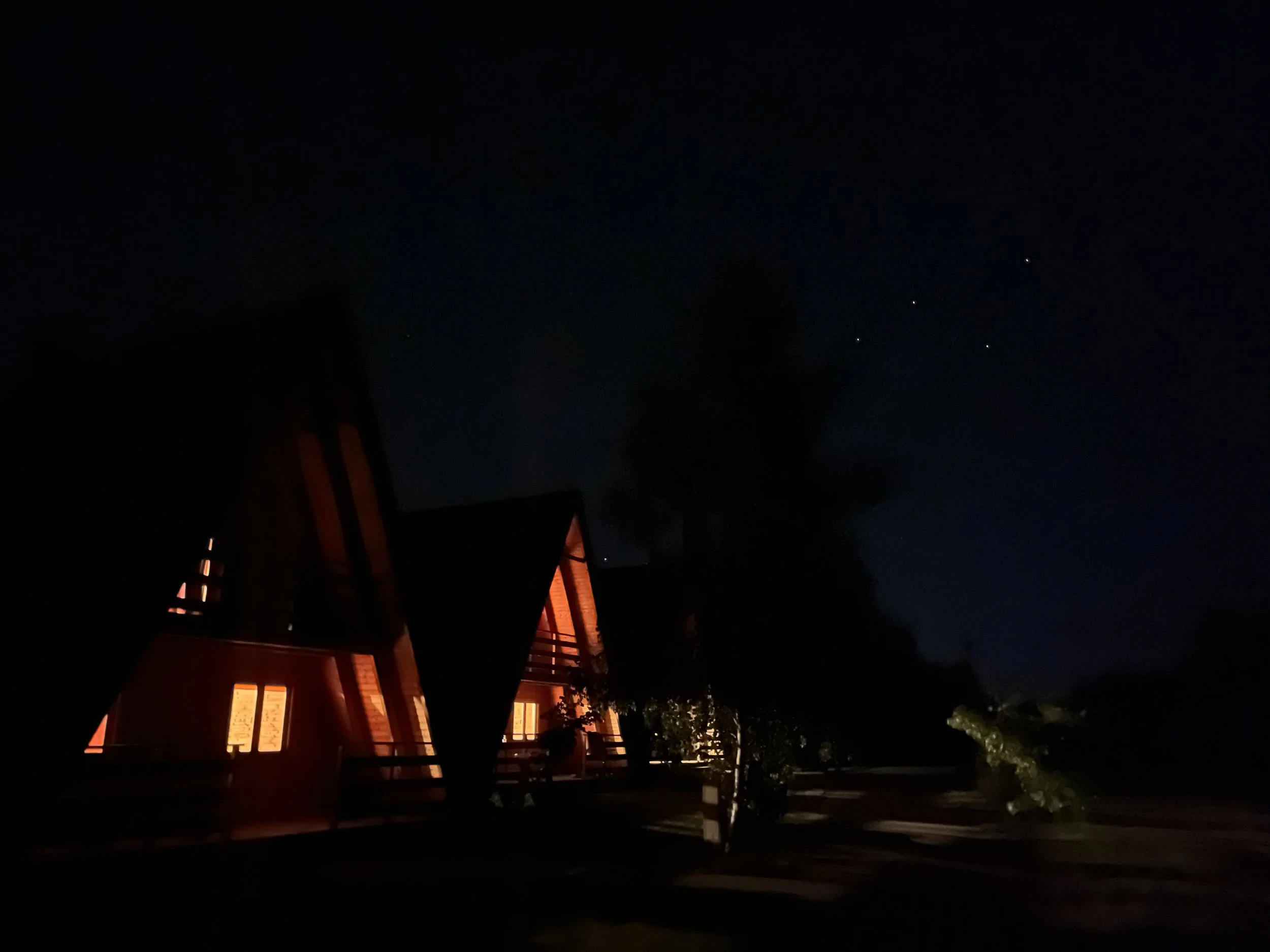
One evening under a Poland sky at the communal table where we all talked the way you always do in these kinds of places deep into the next morning, the refrain of Sweet Home Alabama converges with the night while a Ukrainian teenage refugee of war teaches the lyrics to a multinational humanitarian medical aid team and I breathe in the absurdity and gratitude and that strange awareness of being exactly where you are in the exact moment you are there.